莲蓬水丞
Gu Jingzhou's Lotus Water Vessel Gu Jingzhou had exceptionally rich experience in cultivating and growing lotus flowers, and his flowers were famou
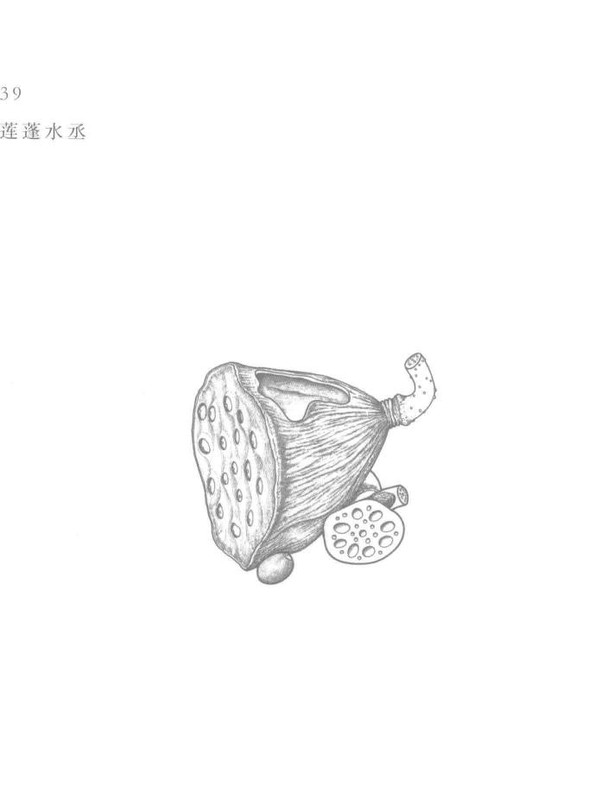
The Lotus Seedpod Water Vessel: Gu Jingzhou’s Meditation in Clay
In the world of Yixing pottery, where teapots often steal the spotlight, there exists a quieter category of functional art that reveals just as much about the master’s hand and heart. The 莲蓬水丞 (Lián Péng Shuǐ Chéng) — Lotus Seedpod Water Vessel — stands as one of these understated masterpieces, a piece that emerged not from commercial ambition but from a period of profound personal reflection.
Created in 1952 by the legendary Gu Jingzhou during a time of illness and introspection, this water vessel transcends its humble function to become a meditation on purity, resilience, and the artist’s relationship with the natural world.
Understanding the Water Vessel in Chinese Tea Culture
Before we dive into this specific design, it’s worth understanding what a shuǐ chéng (水丞) actually is. In the traditional Chinese scholar’s desk setup — and by extension, the tea table — the water vessel serves as a small reservoir for clean water used to add drops to the inkstone or, in tea preparation, to adjust water levels in the teapot or rinse brushes. It’s a supporting player, never the star, yet essential to the ritual.
The water vessel occupies a unique space in the tea ceremony. Unlike the teapot, which commands attention, or the tea cups, which guests handle directly, the water vessel sits quietly to the side, offering its contents when needed. This humble positioning makes it the perfect canvas for personal expression — a place where an artisan can create something beautiful without the commercial pressures that accompany teapot commissions.
The Story Behind Gu Jingzhou’s Lotus Seedpod
The year 1952 marked a turning point in Gu Jingzhou’s life. Diagnosed with tuberculosis, he was forced to step back from his pottery work and recuperate at home. For an artist whose hands were his livelihood, this must have been a difficult period. He was also attempting to quit smoking — no small feat for anyone, let alone someone facing a serious illness.
During this time of physical limitation and personal challenge, Gu Jingzhou turned to what many would consider therapeutic pursuits: growing flowers and raising fish. He immersed himself in the world of natural beauty — flowers, birds, fish, and insects became his companions and his teachers. And among all the flowers he cultivated, the lotus held special significance.
Gu Jingzhou wasn’t just a casual gardener. According to historical records, he had “exceptionally rich experience in cultivating and growing lotus flowers,” and his lotus blooms were “famously beautiful throughout the region.” This wasn’t merely a hobby — it was a passion that informed his artistic vision and connected him to centuries of Chinese cultural symbolism.
It was during this period of convalescence and contemplation that he created the Lotus Seedpod Water Vessel. The piece wasn’t commissioned; it wasn’t created for sale. It emerged from a place of personal need — an artist finding solace in creation, channeling his intimate knowledge of the lotus into clay.
The Design: Capturing Nature’s Architecture
The Lotus Seedpod Water Vessel takes the form of a temple lotus — the mature seedpod that remains after the flower petals have fallen. This choice is significant. Gu Jingzhou didn’t choose to depict the lotus in full bloom, that moment of showy beauty that most artists gravitate toward. Instead, he captured the seedpod, the structure that remains, that holds the seeds of future life.
The piece is described as “vividly lifelike with remarkably authentic textures.” This authenticity stems from Gu Jingzhou’s direct observation. He didn’t work from imagination or stylized representations — he worked from the lotus plants he tended daily, understanding their structure from root to seed.
The seedpod’s distinctive form features a flat, circular top punctuated with holes where the seeds nestle. The surface texture captures the subtle variations of the natural seedpod — not perfectly smooth, but with the organic irregularities that signal life rather than mechanical reproduction. The stem, likely forming the base or handle of the vessel, would have been rendered with equal attention to botanical accuracy.
As a water vessel, the piece would have been sized for desktop use — large enough to hold a useful amount of water, but small enough to sit comfortably among the other implements of tea preparation or scholarly work. The opening for filling and the spout for pouring would have been integrated into the natural form, perhaps using the seedpod’s own structure as inspiration.
Symbolism and Personal Philosophy
The lotus holds profound meaning in Chinese culture, and Gu Jingzhou’s choice to create this piece during his illness was far from arbitrary. The lotus is celebrated for its ability to emerge pure and beautiful from muddy water — a metaphor for maintaining moral integrity despite difficult circumstances.
Historical accounts suggest two possible layers of meaning in Gu Jingzhou’s Lotus Seedpod Water Vessel. First, he may have been “likening himself to the lotus heart, hidden within the lotus seedpod” — a metaphor for his “humble and low-key approach to life.” Throughout his career, despite becoming one of the most celebrated Yixing masters, Gu Jingzhou maintained a reputation for modesty and quiet dignity.
The second interpretation suggests he was “seeking to maintain his moral purity, aspiring to be like the lotus flower that emerges unstained from the mud.” During a period of physical illness and personal challenge, this aspiration takes on additional poignancy. The piece becomes not just an artistic creation but a kind of talisman, a daily reminder of the values he sought to embody.
The choice of the seedpod specifically — rather than the flower — adds another dimension. The seedpod represents fruition, the result of the flowering process, the vessel that carries forward life. For an artist forced into temporary retirement, creating a seedpod might represent hope for future productivity, for seeds that would eventually germinate into new work.
Clay, Color, and Craftsmanship
While the specific clay body used for this 1952 piece isn’t detailed in the historical record, Gu Jingzhou was known for his discerning selection of Yixing clays. For a piece representing the lotus seedpod, he likely would have chosen a clay that could capture the subtle color variations of the natural form.
Lotus seedpods transition through colors as they mature — from green to yellow-green to brown. A skilled potter might use a clay that, when fired, echoes these natural tones. Duanni (段泥), a pale clay that fires to colors ranging from light yellow to beige, could capture the dried seedpod’s appearance. Alternatively, a carefully selected zisha (紫砂) with warm brown tones might represent the fully mature pod.
The texture would have been crucial. Gu Jingzhou’s reputation for “remarkably authentic textures” suggests he didn’t simply mold a smooth, stylized form. He would have worked the surface to capture the slight roughness, the subtle bumps and variations that make a natural seedpod recognizable. This attention to surface detail requires not just technical skill but intimate familiarity with the subject — exactly what Gu Jingzhou possessed through his lotus cultivation.
The Water Vessel in Tea Practice
While this piece was created as a water vessel for the scholar’s desk, its form and function translate beautifully to the tea table. Understanding how to incorporate such a piece into your tea practice adds both practical utility and aesthetic depth to the ceremony.
Practical Function: During gongfu tea preparation, a water vessel serves several purposes. You might use it to add small amounts of water to adjust the level in your teapot, to provide clean water for rinsing tea tools, or to have water at hand for adjusting tea strength. The lotus seedpod design, with its natural form, brings an element of nature directly to your tea table.
Aesthetic Harmony: The lotus has deep connections to tea culture. Both the lotus and tea plants thrive in specific environments and require careful cultivation. Both have been celebrated in Chinese poetry and painting for centuries. Having a lotus-themed piece on your tea table creates a visual and philosophical harmony that enhances the meditative aspects of tea preparation.
Seasonal Considerations: The lotus blooms in summer, making this water vessel particularly appropriate for summer tea sessions. Pair it with lighter teas that echo the season — green teas, white teas, or lightly oxidized oolongs. The visual presence of the lotus seedpod can enhance your appreciation of these delicate teas.
Tea Pairing Recommendations
While a water vessel doesn’t directly contact the tea like a teapot does, the aesthetic and philosophical harmony of your tea setup influences the experience. Here are teas that pair beautifully with the lotus seedpod theme:
Lotus Leaf Tea: The most obvious pairing, lotus leaf tea (荷叶茶) creates a complete lotus experience. The dried leaves, when steeped, produce a light, slightly sweet infusion with cooling properties — perfect for summer. Having the lotus seedpod water vessel on your table while preparing lotus leaf tea creates a unified aesthetic.
West Lake Longjing: This famous green tea from Hangzhou shares geographical and cultural connections with lotus cultivation. The West Lake region is famous for its lotus flowers, and the tea’s delicate, sweet character complements the gentle symbolism of the lotus.
Silver Needle White Tea: The purity and simplicity of silver needle white tea echoes the lotus’s symbolism of emerging unstained from muddy water. The tea’s subtle sweetness and clean finish make it an ideal companion to the lotus seedpod’s quiet elegance.
Light Oolong Teas: Teas like Tieguanyin or high-mountain oolongs, with their floral notes and clean finish, harmonize with the lotus theme. These teas require careful attention to water temperature and steeping time — exactly the kind of mindful preparation that a beautiful water vessel encourages.
Jasmine Pearl Tea: The floral notes of jasmine tea create an aromatic bridge to the lotus’s own delicate fragrance. This pairing works especially well for evening tea sessions when you want something soothing and aromatic.
Caring for Your Water Vessel
If you’re fortunate enough to own a lotus seedpod water vessel — whether an original Gu Jingzhou piece or a later interpretation — proper care ensures it remains functional and beautiful:
Daily Use: Yixing clay benefits from regular use. Fill your water vessel with clean, filtered water before each tea session. The clay will gradually develop a subtle patina from the minerals in the water, adding character over time.
Cleaning: After each use, empty any remaining water and rinse the vessel with clean water. Avoid soap or detergents, which can be absorbed by the porous clay and affect future use. Allow the vessel to air dry completely before storing.
Handling: The lotus seedpod form, with its detailed surface texture, may have delicate areas. Handle the piece with care, supporting it from the base rather than gripping decorative elements that might be fragile.
Display: When not in use, display your water vessel where it can be appreciated but won’t be accidentally knocked over. The piece serves as a beautiful reminder of the values it represents — purity, resilience, and natural beauty.
The Legacy of a Quiet Masterpiece
The Lotus Seedpod Water Vessel stands as “a representative masterpiece among Gu Jingzhou’s floral works.” This recognition is significant. Gu Jingzhou created numerous teapots that command astronomical prices at auction, yet this humble water vessel, created during a period of illness and reflection, is singled out as representative of his floral work.
Perhaps this is because the piece captures something essential about Gu Jingzhou’s approach to his art. He didn’t need a major commission or a prestigious client to create something meaningful. During a time when he couldn’t work at his usual pace, when his health was compromised and his future uncertain, he turned to the natural world for inspiration and created a piece that embodied his personal philosophy.
The water vessel reminds us that great art doesn’t always announce itself loudly. Sometimes it sits quietly to the side, serving a humble function, waiting for those who take the time to notice its beauty and understand its meaning.
Bringing the Lotus Spirit to Your Tea Practice
You don’t need to own an original Gu Jingzhou piece to incorporate the spirit of the Lotus Seedpod Water Vessel into your tea practice. The piece teaches us several lessons applicable to any tea session:
Embrace Simplicity: The water vessel serves a simple function but does so with beauty and intention. Approach your tea preparation with the same mindset — each element serving its purpose while contributing to the overall aesthetic.
Find Beauty in Supporting Roles: Not everything on your tea table needs to be the star. The water vessel, the tea towel, the waste water bowl — these supporting elements create the context in which the tea can shine.
Connect with Nature: Gu Jingzhou’s intimate knowledge of lotus cultivation informed his artistic creation. Deepen your own connection to tea by learning about where your tea comes from, how it’s grown and processed, and the natural environment that produces it.
Maintain Purity of Purpose: Like the lotus emerging unstained from muddy water, approach your tea practice as a space for clarity and reflection, separate from the complications of daily life.
Conclusion: The Seedpod’s Enduring Message
The Lotus Seedpod Water Vessel, created in 1952 during Gu Jingzhou’s convalescence, carries a message that resonates across decades. In a period of personal challenge, the artist found solace in nature and created something that embodied both botanical accuracy and philosophical depth.
The piece reminds us that art emerges not just from technical skill but from lived experience, from intimate knowledge of the subject, and from the artist’s inner life. Gu Jingzhou’s lotus seedpod isn’t just a representation of a plant form — it’s a self-portrait, a statement of values, and a meditation on resilience.
For tea enthusiasts, the water vessel offers a model for how we might approach our own practice. Like the lotus seedpod that holds the promise of future blooms, each tea session holds the potential for insight, connection, and beauty. The key is to approach it with the same attention, humility, and appreciation for natural beauty that Gu Jingzhou brought to his work.
In the end, the Lotus Seedpod Water Vessel teaches us that sometimes the most profound statements come in the quietest forms, that supporting roles can be as meaningful as starring ones, and that true artistry emerges when technical mastery meets personal philosophy and deep observation of the natural world.
