起吉下泪
Discover the 起吉下泪, a classic Yixing pottery design with unique characteristics
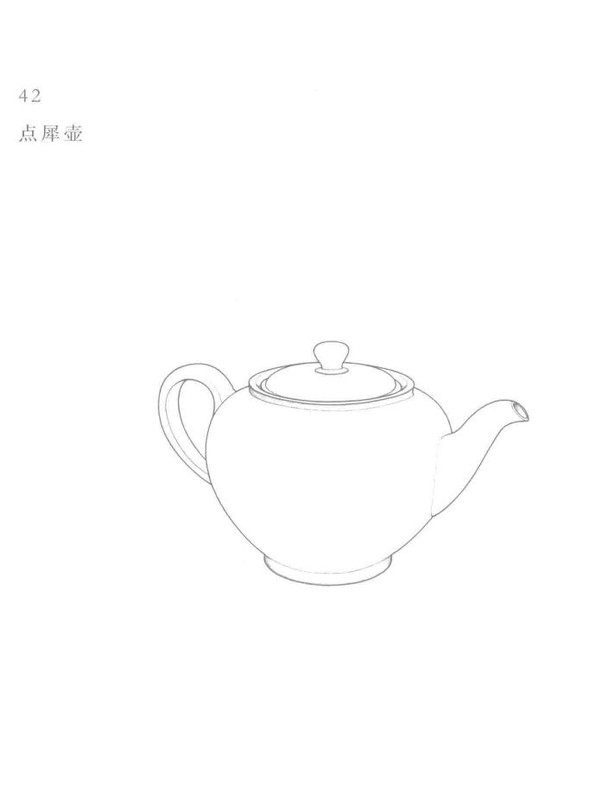
Qi Ji Xia Lei (起吉下泪): A Masterwork from Gu Jingzhou’s Golden Era
In the late 1950s, as China’s artistic traditions were being reshaped by new social forces, master potter Gu Jingzhou created a teapot that would become one of his most enigmatic works. The Qi Ji Xia Lei (起吉下泪) stands as a testament to a pivotal moment in Yixing pottery history—a period when traditional craftsmanship met the aesthetic sensibilities of New China.
The name itself presents a fascinating puzzle. “Qi Ji” (起吉) suggests “rising fortune” or “beginning auspiciousness,” while “Xia Lei” (下泪) translates to “descending tears” or “tears falling down.” This poetic contradiction—fortune rising while tears fall—captures something essential about the human experience and the era in which it was created. It’s a name that invites contemplation, much like the act of brewing tea itself.
The Historical Context: Late 1950s Yixing
To understand the Qi Ji Xia Lei, we must first understand its moment of creation. The late 1950s marked a transformative period for Yixing pottery. The establishment of the Yixing Purple Sand Pottery Factory in 1955 had brought together master artisans under one roof, creating an unprecedented environment for artistic exchange and innovation.
Gu Jingzhou (顾景洲), whose seal marks the lid of this particular piece, was at the height of his creative powers during this period. Born in 1915, Gu had apprenticed under the legendary potter Cheng Shouzhen and had already established himself as one of the “Seven Old Artists” of Yixing—a group recognized for preserving and advancing traditional techniques during a time of rapid social change.
The Manxing Pottery Art (曼星陶艺) seal on the base adds another layer of historical significance. This marking indicates the piece was produced within the collective workshop system that characterized Chinese craft production during this era. Rather than diminishing the work’s value, this dual attribution—master artist and workshop—tells us about the collaborative nature of pottery production in 1950s China, where individual mastery existed within a framework of collective creation.
Design Philosophy: Where Tradition Meets Innovation
The Qi Ji Xia Lei represents what scholars call a “classic design type” (经典款式), meaning it draws from established Yixing forms while introducing subtle innovations that mark it as distinctly modern. This classification places it within a lineage of teapot shapes that have proven their functional excellence over centuries, yet allows for the personal artistic vision of its creator.
Classic design types in Yixing pottery are not mere reproductions of ancient forms. They represent a dialogue between past and present, where traditional proportions and ergonomics are refined through the lens of contemporary aesthetics. The late 1950s were particularly rich for this kind of creative synthesis, as potters like Gu Jingzhou sought to demonstrate that traditional crafts could thrive in New China while maintaining their essential character.
The Artisan’s Hand: Gu Jingzhou’s Signature Elements
Gu Jingzhou’s work from this period is characterized by several distinctive qualities that likely manifest in the Qi Ji Xia Lei. His teapots are known for their exceptional balance—not just visual balance, but the physical equilibrium that makes a pot feel alive in the hand. When you lift a Gu Jingzhou teapot, the weight distributes itself naturally, the handle sits comfortably against your fingers, and the spout pours with precision.
His approach to form emphasized what Chinese aesthetics call “qi yun” (气韵)—the vital spirit or breath of life that animates an object. This isn’t mere decoration or technical prowess; it’s the quality that makes a teapot feel like a living companion to your tea practice rather than just a vessel. In Gu’s hands, clay became responsive, almost breathing.
The late 1950s pieces also show Gu’s mastery of what potters call “line quality”—the way curves flow into straight edges, how the body transitions to the spout, the relationship between lid and opening. These transitions in a Gu Jingzhou pot are never abrupt; they unfold with the inevitability of natural forms, like the way a branch emerges from a trunk.
Clay and Color: The Purple Sand Tradition
While the specific clay body used for this Qi Ji Xia Lei isn’t detailed in the source material, we can make informed observations based on Gu Jingzhou’s preferences during this period. The late 1950s saw potters working primarily with the classic Yixing clays: zisha (purple sand), hongni (red clay), and duanni (yellow clay), along with various blended bodies.
Gu Jingzhou was particularly known for his work with high-quality zisha, which fires to colors ranging from deep purple-brown to reddish-brown depending on the specific mineral composition and firing conditions. These clays are prized not just for their color but for their unique porosity—they “breathe” in a way that allows tea to interact with the pot’s walls, gradually seasoning the vessel over years of use.
The unglazed surface of Yixing pottery develops what tea enthusiasts call “patina”—a subtle sheen that builds up from the oils in tea and the natural handling of the pot. On a piece from the late 1950s that has been properly cared for, this patina would now be quite developed, giving the surface a soft, almost jade-like glow that can’t be replicated artificially.
The Name’s Deeper Meaning: Fortune and Tears
Returning to the evocative name “Qi Ji Xia Lei,” we might interpret this as a reflection of the complex emotions of its era. The late 1950s in China were years of tremendous optimism mixed with profound challenges. The Great Leap Forward was beginning, bringing both hope for rapid modernization and the hardships that would follow.
For an artist like Gu Jingzhou, there may have been personal resonance in this duality. The fortune of being recognized as a master, of having one’s work preserved and promoted by the state, of seeing traditional crafts valued in a new society—all this coexisted with the tears of watching old ways disappear, of adapting to new systems of production, of navigating the political complexities of artistic life in revolutionary China.
Or perhaps the name speaks to something more universal and timeless: the Buddhist understanding that joy and sorrow are inseparable, that every beginning contains an ending, that tears can fall even as fortune rises. This philosophical depth is characteristic of the best Yixing pottery, which has always been more than mere functional ware—it’s a vehicle for contemplation.
Tea Pairing: Finding the Right Match
The Qi Ji Xia Lei, as a classic design type from this era, would most likely excel with certain categories of tea. Gu Jingzhou’s pots from the late 1950s are particularly well-suited to:
Aged Oolong Teas: The clay body and form of classic 1950s designs work beautifully with traditionally processed oolongs, especially aged varieties. The pot’s ability to retain and evenly distribute heat helps coax out the complex, mellowed flavors that develop in oolong over decades of storage.
Wuyi Rock Teas (Yancha): These heavily roasted oolongs from Fujian province find an ideal partner in Yixing pots of this vintage. The mineral qualities of both the tea and the clay create a harmonious resonance, while the pot’s heat retention supports the multiple infusions these teas can provide.
Aged Raw Puer: If the clay body leans toward the more porous zisha varieties, aged sheng puer would be an excellent match. The pot helps smooth any remaining rough edges in the tea while allowing its complex aged character to fully express itself.
Ripe Puer (Shou Puer): The earthy, rich qualities of ripe puer are enhanced by the seasoned clay of a well-used Yixing pot. The vessel helps integrate the tea’s flavors while adding subtle depth from its own accumulated character.
The key principle is matching the tea’s intensity and character to the pot’s clay body and form. A classic design like the Qi Ji Xia Lei, with its balanced proportions and refined execution, calls for teas of similar sophistication—not delicate green teas or subtle white teas, but robust, complex teas that can stand up to and benefit from the pot’s influence.
Brewing Technique: Honoring the Design
Using a pot like the Qi Ji Xia Lei requires understanding both its historical context and its functional design. Here are specific considerations:
Seasoning and Dedication: If you’re fortunate enough to use such a pot, dedicate it to a single type of tea. The clay’s porosity means it will absorb and retain the character of whatever you brew in it. Mixing tea types would muddy this accumulated seasoning and diminish the pot’s ability to enhance your tea.
Temperature Management: Classic designs from this era typically have excellent heat retention. Preheat the pot thoroughly with boiling water before adding your tea leaves. This ensures even heat distribution and helps the tea open properly.
Water-to-Leaf Ratio: The proportions of a classic design are calibrated for traditional gongfu brewing—typically a higher leaf-to-water ratio than Western-style brewing. Fill the pot about one-third full with dry leaves for most oolongs and puers.
Pouring Technique: Pay attention to how the spout performs. Gu Jingzhou’s spouts are engineered for clean pours with minimal dripping—the “descending tears” of the name should refer to the tea’s emotional impact, not to drips from a poorly designed spout. Pour decisively and completely to take advantage of this precision.
Cleaning and Care: Never use soap or detergents. After each session, rinse with hot water and allow the pot to air dry completely with the lid off. The patina that builds up over time is precious—it’s the pot’s memory of all the tea it has known.
The Collector’s Perspective: Value and Authenticity
A genuine Qi Ji Xia Lei from the late 1950s, bearing Gu Jingzhou’s seal, represents a significant piece of Yixing history. Several factors contribute to its value:
Provenance: The dual seals—Gu Jingzhou on the lid and Manxing Pottery Art on the base—provide clear attribution and dating. This documentation is crucial for authentication.
Historical Significance: Pieces from this period represent a bridge between traditional Yixing pottery and the modern era. They capture a moment when ancient techniques were being preserved and transmitted under new social conditions.
Artistic Merit: Gu Jingzhou’s reputation as one of the greatest Yixing masters of the 20th century means his work commands respect and value. His influence on subsequent generations of potters cannot be overstated.
Condition: For a piece approaching 70 years old, condition is paramount. Look for integrity of form, absence of cracks or repairs, and the natural patina that comes from proper use and care rather than artificial aging.
Living with a Masterwork
Owning and using a pot like the Qi Ji Xia Lei is not about possession—it’s about stewardship. You become a temporary guardian of an object that may outlive you by centuries. This perspective changes how you interact with it.
Each time you brew tea in such a pot, you’re participating in a lineage that stretches back through Gu Jingzhou to his teachers and their teachers before them, all the way to the Ming Dynasty potters who first elevated Yixing ware to an art form. You’re also connecting forward to future tea drinkers who may one day hold this same pot, wondering about its history and the hands that shaped it.
The name “Qi Ji Xia Lei”—fortune rising, tears descending—reminds us that beauty and meaning often emerge from contradiction and complexity. Like the best tea, like life itself, this pot contains multitudes. It asks us to hold joy and sorrow together, to appreciate the fortune of the present moment while acknowledging the tears that are part of every human story.
Conclusion: A Pot for Contemplation
The Qi Ji Xia Lei stands as more than a functional teapot. It’s a meditation on its era, a showcase of masterful craftsmanship, and a bridge between past and present. In Gu Jingzhou’s hands, clay became a medium for expressing the complexities of human experience—the way fortune and sorrow intertwine, the way tradition and innovation can coexist, the way a simple act like brewing tea can become a profound practice.
For the serious tea enthusiast, such a pot offers the opportunity to deepen your practice, to slow down and pay attention, to let the tea and the vessel teach you about patience, appreciation, and the subtle pleasures that emerge when we give our full attention to simple things done well.
Whether you’re a collector, a daily tea drinker, or simply someone who appreciates the intersection of art and function, the Qi Ji Xia Lei invites you to pause, to pour, to sip, and to contemplate the mysterious ways that fortune rises even as tears fall, and how both are necessary parts of a life fully lived.
