蒲包壶
Discover the 蒲包壶, a classic Yixing pottery design with unique characteristics
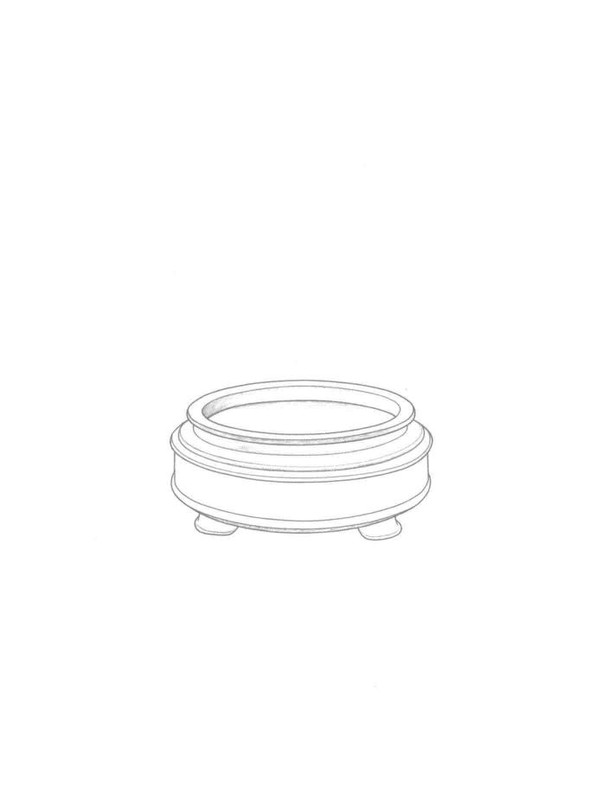
The Shuangxian Yuan Xing Pubao Kou Pen: A 1980s Revival of Traditional Rush-Basket Aesthetics
The 蒲包壶 (Pubao Hu) - literally “Rush-Basket Pot” - represents one of Yixing pottery’s most charming intersections between rustic folk art and refined ceramic craftsmanship. This particular piece, a 双线圆形蒲包口盆 (Shuangxian Yuan Xing Pubao Kou Pen, or “Double-Line Circular Rush-Basket Mouth Basin”), created in the 1980s and bearing the maker’s mark “Hequ” (和去), exemplifies how traditional Yixing designs experienced a renaissance during China’s reform era. While many collectors focus on the famous teapot shapes, this basin form demonstrates the versatility of Yixing clay and the enduring appeal of designs inspired by everyday agricultural objects.
Understanding the Rush-Basket Design Language
The Pubao style takes its inspiration from the woven rush baskets that were ubiquitous in Chinese agricultural life for centuries. These baskets, made from cattail reeds or similar marsh plants, were used for everything from carrying harvested crops to storing grain. Their distinctive texture - created by the over-under weaving pattern - and their gently bulging, organic forms made them a natural subject for ceramic artists seeking to connect refined tea culture with the earthiness of rural life.
What makes this particular piece distinctive is the “double-line circular” (双线圆形) designation. This refers to the decorative treatment around the mouth of the basin, where two parallel incised lines create a visual frame that emphasizes the circular opening. This detail elevates the piece beyond simple mimicry of basketwork, adding a geometric precision that balances the organic, textured body. The “mouth basin” (口盆) form indicates this is a wider, more open vessel than a traditional teapot - likely used for rinsing tea cups, holding water, or serving as a waste water receptacle during gongfu tea ceremonies.
The 1980s Context: Tradition Meets Reform
The 1980s marked a pivotal moment for Yixing pottery. After the disruptions of the Cultural Revolution, when many traditional crafts were suppressed or redirected toward utilitarian production, the reform era brought renewed interest in classical designs and techniques. Artisans who had preserved knowledge of traditional forms began teaching younger generations, and there was a conscious effort to document and revive historical styles.
The maker’s mark “Hequ” (和去) on this piece places it within this revival movement. While not one of the most famous names in Yixing history, artisans like Hequ were essential to maintaining the continuity of traditional forms. The 1980s saw a proliferation of workshops producing both faithful reproductions of classical designs and subtle variations that reflected contemporary sensibilities. This double-line circular rush-basket basin represents that balance - honoring the traditional Pubao aesthetic while adding refinement through the precise linear decoration.
The choice to create a basin rather than a teapot also reflects the 1980s tea culture revival. As gongfu tea ceremony practices became popular again, tea enthusiasts needed the full array of traditional tea implements. Basins for waste water and cup rinsing became essential components of a proper tea setup, and potters responded by creating pieces that were both functional and aesthetically coherent with their teapot collections.
Visual Characteristics and Clay Selection
The Pubao design is immediately recognizable by its textured surface, which mimics the woven pattern of rush basketwork. Artisans achieve this effect through various techniques - sometimes by pressing actual basket material into the clay while it’s still soft, other times by hand-carving the pattern, or by using specialized tools to create the impression of woven reeds. The result is a surface that invites touch, with a tactile quality that contrasts beautifully with the smooth, polished surfaces of more formal Yixing styles.
The circular form with its gently rounded sides suggests a generous capacity, practical for its function as a basin. The double-line detail around the mouth would have been incised after the main body was formed but before firing, requiring a steady hand and careful measurement to ensure the lines remain parallel and evenly spaced around the entire circumference. This geometric precision creates a visual “landing zone” for the eye, drawing attention to the opening and providing a clean transition between the textured body and the functional rim.
For Pubao pieces, artisans typically select Zisha clays with earthy tones - hongni (red clay), duanni (yellow clay), or zini (purple clay) - that complement the rustic, agricultural inspiration of the design. The natural, unglazed finish of Yixing clay allows the texture to remain prominent and tactile. Over time and with use, the clay develops a patina that enhances the basket-like appearance, as tea oils and minerals gradually darken the recessed areas of the texture while the raised portions develop a subtle sheen from handling.
The Broader Pubao Family
While this piece is a basin, the Pubao design concept extends across various vessel types in the Yixing repertoire. Pubao teapots typically feature the same textured body treatment, often with handles that echo the wrapped reed handles of actual baskets. Some versions include bamboo-style handles that reinforce the agricultural aesthetic, while others use more traditional curved handles that provide visual contrast to the textured body.
The most elaborate Pubao teapots incorporate additional naturalistic elements - applied clay decorations of vegetables, fruits, or flowers that might have been carried in such baskets. These pieces blur the line between functional teaware and sculptural art, celebrating the abundance of harvest and the connection between tea culture and agricultural cycles.
What unites all Pubao pieces, whether teapots, basins, or other forms, is their celebration of humble origins. In a ceramic tradition that includes highly refined, almost architectural forms, the Pubao style reminds us that tea culture encompasses both the elevated and the everyday, the palace and the field.
Tea Pairing and Functional Considerations
While this particular piece functions as a basin rather than a brewing vessel, understanding its role in the tea ceremony helps appreciate its design choices. In gongfu tea practice, the waste water basin serves multiple purposes: it receives the water used to warm cups before serving, collects the rinse water from the first infusion (which many tea drinkers discard), and provides a place to empty cups between rounds of tea.
The generous, open form of a circular basin makes these tasks easy and elegant. The textured exterior provides a secure grip even when hands are wet, and the substantial feel of Yixing clay gives the piece stability on the tea table. The double-line decoration around the mouth adds a visual refinement that elevates what might otherwise be considered a purely utilitarian object.
For those using Pubao-style teapots (which would naturally pair with this basin), certain teas particularly complement the rustic aesthetic and the clay’s characteristics. Aged oolongs, especially traditional charcoal-roasted varieties, resonate with the earthy, grounded feeling of the basket design. The darker, more oxidized oolongs develop rich, complex flavors that benefit from the Zisha clay’s heat retention and mineral interaction.
Ripe puerh (shou puerh) also pairs beautifully with Pubao vessels. The deep, earthy notes of fermented puerh echo the agricultural inspiration of the design, creating a harmonious sensory experience where the tea’s character and the vessel’s aesthetic reinforce each other. The textured surface seems to hold the rich, dark liquor of puerh in visual memory even after the basin is emptied and rinsed.
For those who appreciate the connection between tea and the seasons, using Pubao-style pieces during autumn feels particularly appropriate. As harvest time arrives and baskets fill with crops, brewing tea in vessels that honor these agricultural tools creates a mindful connection to the cycles of cultivation and gathering that sustain us.
Care and Seasoning
Like all Yixing pieces, a Pubao basin benefits from proper care and develops character with use. The textured surface requires slightly different attention than smooth Yixing pieces. When cleaning, use a soft brush to gently work into the recesses of the basket-weave pattern, ensuring no tea residue accumulates in the deeper grooves. Avoid harsh scrubbing that might damage the carefully crafted texture.
The seasoning process for a basin differs from that of a teapot. Since it doesn’t brew tea directly, it won’t develop the same concentrated patina, but it will still absorb tea oils and minerals over time. Some tea enthusiasts dedicate their basin to a specific tea type, allowing it to develop a subtle character that complements their brewing practice. Others use their basin more generally, appreciating the gradual, varied patina that develops from exposure to different teas.
Between uses, rinse the basin thoroughly with hot water and allow it to air dry completely. The textured surface means water can collect in the grooves, so ensure adequate drying time before storing. Never use soap or detergents, as the porous Zisha clay will absorb these flavors and transfer them to your tea practice.
Collecting and Appreciating 1980s Yixing
For collectors, pieces like this 1980s Hequ basin occupy an interesting position in the Yixing timeline. They’re not antiques in the traditional sense, but they represent an important transitional period in Chinese ceramic history. The 1980s revival pieces often show excellent craftsmanship - artisans were working to prove that traditional skills had survived the Cultural Revolution and that Yixing pottery could reclaim its place in Chinese cultural life.
The maker’s mark “Hequ” provides provenance and connects the piece to a specific workshop and period. While not commanding the prices of famous master potters, these signed pieces from the reform era have steadily appreciated as collectors recognize their historical significance and quality craftsmanship. They represent accessible entry points for those building Yixing collections, offering genuine traditional designs at more modest prices than antique or contemporary master works.
When evaluating such pieces, look for consistency in the texture pattern, precision in the decorative elements (like the double-line detail), and quality of the clay body. The piece should feel substantial but not heavy, with even wall thickness and a stable base. The maker’s mark should be clearly impressed, not blurred or shallow, indicating proper attention to detail.
The Enduring Appeal of Rustic Elegance
The Pubao design endures because it embodies a fundamental truth about tea culture: the most profound experiences often arise from simplicity rather than ostentation. A rush basket represents honest work, practical function, and connection to the earth - values that resonate deeply with tea philosophy. By translating this humble agricultural tool into refined ceramic form, Yixing artisans create objects that honor both craft traditions and remind us that tea drinking, at its heart, is about mindful appreciation of simple pleasures.
This particular basin, with its 1980s origins and careful craftsmanship, carries additional layers of meaning. It represents cultural continuity, the resilience of traditional arts, and the ongoing conversation between past and present that characterizes Chinese ceramic history. Each time it’s used in tea ceremony, it connects the practitioner to centuries of tea culture while functioning as a thoroughly practical tool for contemporary brewing.
The double-line circular detail around the mouth exemplifies how traditional designs evolve. This geometric precision wasn’t necessary for function - a simple textured basin would serve equally well. But by adding this refined element, the artisan elevated the piece, demonstrating that rustic inspiration and careful craftsmanship aren’t contradictory but complementary. The basket pattern grounds the piece in earthly, agricultural reality, while the precise linear decoration lifts it into the realm of considered art.
Conclusion: A Basin That Tells Stories
In the hierarchy of tea implements, waste water basins might seem secondary to teapots, but pieces like this Pubao basin reveal how every element of the tea ceremony contributes to the overall experience. The textured surface invites touch and contemplation. The generous form accommodates the practical needs of gongfu brewing. The maker’s mark connects us to a specific artisan working during a pivotal moment in Chinese history. The traditional design links contemporary practice to centuries of tea culture.
Whether you’re a serious collector, a casual tea enthusiast, or someone drawn to the intersection of function and aesthetics, the 蒲包壶 style offers rich rewards for attention and use. This 1980s example, with its double-line circular detail and Hequ signature, represents both a specific moment in Yixing history and a timeless design that continues to resonate with tea lovers who appreciate objects that honor humble origins while demonstrating refined craftsmanship.
As you pour waste water into such a basin during your tea practice, consider the rush baskets that inspired its form, the artisan who shaped it during China’s reform era, and the countless tea drinkers who have found beauty in this marriage of rustic inspiration and ceramic art. In these moments of mindful use, a simple basin becomes a vessel for cultural memory, aesthetic appreciation, and the ongoing story of tea.
