蒲包口长方形小花盆
Discover the 蒲包口长方形小花盆, a classic Yixing pottery design with unique characteristics
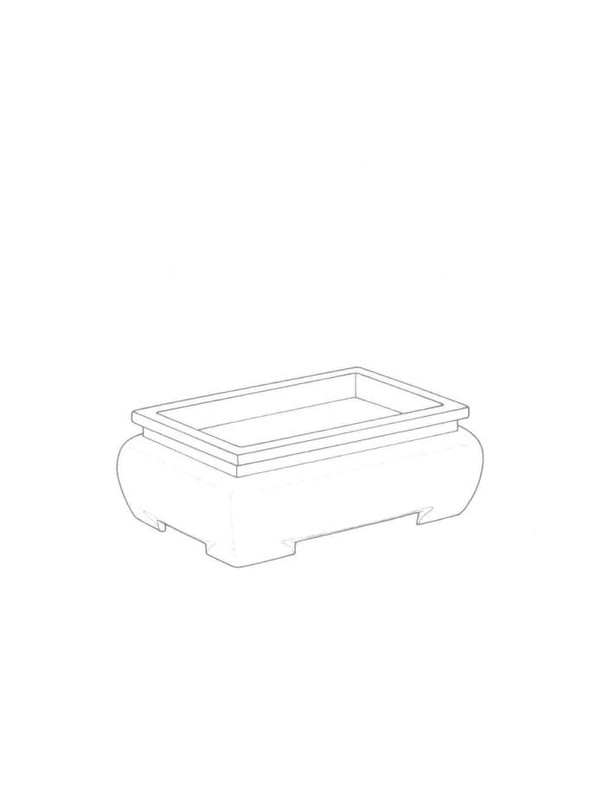
The Pubakou Rectangular Small Flower Pot: A Rare Window into 1960s Yixing Craftsmanship
When most people think of Yixing pottery, they picture teapots—those iconic vessels with their rounded bodies and elegant spouts. But the tradition of Yixing clay extends far beyond tea brewing. The 蒲包口长方形小花盆 (Pubakou Rectangular Small Flower Pot) represents a fascinating intersection of horticultural design and ceramic artistry, crafted during one of the most significant periods in modern Chinese pottery history.
This particular piece, bearing the seal “景舟制” (Jingzhou zhi—“Made by Jingzhou”) and dating to the 1960s, offers us a glimpse into how master potters applied their teapot-making expertise to create functional art for cultivating miniature landscapes and prized plants.
Understanding the Pubakou Design
The name itself tells us much about the form. “蒲包口” (pubakou) literally refers to a “rush bag opening”—evoking the gathered, slightly flared rim reminiscent of traditional woven bags made from cattail or rush plants. This distinctive mouth treatment gives the pot its character, creating a gentle transition from the rectangular body to the opening that’s both practical and aesthetically pleasing.
The rectangular form breaks from the circular tradition dominant in both teapots and flower pots. This geometric choice wasn’t merely aesthetic—rectangular pots offer distinct advantages for certain plants and display contexts. They fit more efficiently on windowsills and shelves, create interesting visual contrast in bonsai displays, and provide a stable base for asymmetrical plantings.
The Jingzhou Attribution and 1960s Context
The base seal reading “景舟制” places this piece within a specific historical moment. The 1960s represented a complex period for Yixing pottery. Following the establishment of the People’s Republic, traditional craft production underwent significant reorganization. Master potters who had previously worked independently or in small family workshops found themselves part of larger cooperative factories.
During this era, many accomplished artisans continued producing work of exceptional quality, though often under different circumstances than their predecessors. The creation of flower pots alongside teapots was common practice—master potters understood that the same clay bodies and forming techniques that made superior teapots also produced excellent vessels for horticulture.
The rectangular form with pubakou rim required considerable skill to execute properly. Unlike wheel-thrown circular pots, rectangular vessels demand precise slab construction or mold work, with particular attention to corner joints and ensuring the walls remain true and even. The gathered rim adds another layer of complexity, requiring the potter to manipulate the clay while maintaining the geometric integrity of the rectangular form below.
The Clay and Its Character
While we don’t have specific information about which Yixing clay body was used for this particular pot, the 1960s production typically employed the classic Yixing clay types: zisha (purple sand), zhuni (vermillion clay), or duanni (yellow clay). Each brings distinct properties that affect both the pot’s appearance and its function as a planter.
Yixing clays are renowned for their porosity—a quality that makes them exceptional for teapots also makes them ideal for plant cultivation. The clay breathes, allowing air exchange at the root level while retaining moisture more effectively than fully vitrified ceramics. This creates an optimal environment for root development, particularly important for the delicate root systems of bonsai and other prized specimens.
The unglazed surface of Yixing pottery develops a patina over time, absorbing minerals from water and soil. In a flower pot, this aging process creates a living surface that tells the story of the plants it has nurtured. Collectors of antique Yixing flower pots often prize this natural patina as much as the form itself.
Form Meets Function: Design Elements
The rectangular body of this pot likely measures somewhere between 10-20 centimeters in length—small enough to be termed a “small flower pot” (小花盆) but substantial enough to support meaningful plant growth. The proportions would have been carefully considered: too shallow and roots cannot develop properly; too deep and the form becomes ungainly.
The pubakou rim serves multiple practical purposes beyond aesthetics. The slightly flared, gathered opening makes it easier to work with the soil and plants, providing better access than a straight-sided rim. It also creates a subtle visual frame for whatever is planted within, drawing the eye to the composition while maintaining the pot’s presence as an art object in its own right.
Drainage is critical in any flower pot, and Yixing potters understood this intimately. The base would typically feature one or more drainage holes, positioned to allow excess water to escape while preventing soil loss. The porous nature of the clay provides additional moisture management, reducing the risk of waterlogged roots.
The Art of Display: Traditional Uses
In Chinese horticultural tradition, the pot is never merely a container—it’s an integral part of the artistic composition. The rectangular pubakou pot would have been particularly prized for several applications:
Bonsai and Penjing: The rectangular form complements the asymmetrical compositions typical of Chinese penjing (landscape in a pot). The straight lines provide visual stability while the pubakou rim adds organic softness, creating harmony between the geometric vessel and the natural forms of miniature trees and rocks.
Orchid Cultivation: Chinese orchids, particularly Cymbidium varieties, were traditionally grown in specialized pots. While orchid pots typically feature more elaborate drainage, the rectangular form and quality clay of a Jingzhou piece would have made it suitable for certain orchid species, particularly those preferring slightly more moisture retention.
Accent Plants: Small flowering plants, succulents, or decorative grasses displayed on scholar’s desks or in interior courtyards would have found an ideal home in such a pot. The refined form elevates even humble plants to objects worthy of contemplation.
Collecting and Appreciating Today
For contemporary collectors, a 1960s Jingzhou-marked rectangular flower pot represents several intersecting interests. It’s a functional piece of Yixing pottery from a significant historical period, bearing the mark of a skilled artisan, and embodying traditional design principles in a less common form.
When evaluating such a piece, collectors look for several qualities:
Integrity of Form: Are the corners crisp and true? Does the pubakou rim show even, skillful gathering? Any warping or irregularity suggests either damage or less careful construction.
Clay Quality: Authentic Yixing clay has a distinctive texture and appearance. The surface should show fine grain structure, and the color should be consistent throughout (visible at drainage holes or any chips).
Seal Clarity: The “景舟制” mark should be crisp and well-defined, pressed into the clay before firing. Blurred or suspicious seals warrant careful examination.
Patina: Natural aging creates subtle color variations and a slight sheen from mineral deposits. Artificial aging attempts often look too uniform or show inconsistent patterns.
Caring for a Pubakou Flower Pot
If you’re fortunate enough to own or use such a piece, proper care ensures it will continue serving its purpose for generations:
Initial Preparation: Before first use, soak the pot in clean water for 24 hours. This saturates the clay and removes any dust from storage. Some collectors prefer to “season” the pot by soaking it in weak tea, though this is more traditional for teapots than planters.
Plant Selection: Choose plants whose watering needs match the pot’s moisture retention characteristics. Yixing clay holds moisture longer than terracotta but less than glazed ceramics. Plants preferring “evenly moist” conditions often thrive.
Watering Technique: Water thoroughly but infrequently, allowing the clay to nearly dry between waterings. The porous nature means you can often judge moisture levels by the pot’s color—darker when wet, lighter when dry.
Cleaning: Never use soap or detergents, which can be absorbed into the clay. Clean with water and a soft brush only. The natural patina that develops is desirable, not something to remove.
Winter Care: If using outdoors, bring the pot inside before freezing temperatures. Water trapped in the porous clay can expand when frozen, causing cracks.
The Broader Context: Yixing Beyond Tea
The existence of pieces like the pubakou rectangular flower pot reminds us that Yixing’s pottery tradition encompasses far more than teapots. The same clays, techniques, and aesthetic principles that created the world’s finest tea vessels also produced flower pots, brush holders, water droppers, incense burners, and scholar’s objects.
This diversity reflects the integrated nature of traditional Chinese material culture, where the boundaries between functional craft and fine art remained fluid. A master potter like Jingzhou would have moved seamlessly between creating teapots and flower pots, applying the same standards of craftsmanship to each.
The 1960s period, despite its political complexities, saw continued production of high-quality Yixing wares. Artisans maintained traditional standards while adapting to new organizational structures. Pieces from this era bridge the gap between the pre-1949 masters and the contemporary Yixing revival that began in the 1980s.
A Living Tradition
Today, the tradition of Yixing flower pots continues, though rectangular forms with pubakou rims remain relatively uncommon compared to circular designs. Contemporary potters occasionally revive historical forms, creating new pieces that honor traditional designs while serving modern collectors and plant enthusiasts.
The beauty of a piece like this 1960s Jingzhou pot lies in its dual nature: it’s both a collectible artifact documenting a specific moment in ceramic history and a fully functional object that can still fulfill its original purpose. Unlike teapots, which collectors often hesitate to use, flower pots invite active engagement. Each planting, each season of growth, each year of patina development adds to the pot’s story.
Conclusion: Form, Function, and History
The 蒲包口长方形小花盆 represents Yixing pottery at its most versatile—where masterful technique meets practical function, where geometric precision harmonizes with organic form, and where the potter’s art serves both aesthetic contemplation and living cultivation.
For those who appreciate Yixing pottery, pieces like this Jingzhou-marked flower pot from the 1960s offer something different from the teapots that dominate collections. They show us the full range of what these remarkable clays and skilled hands could create. They connect us to the scholarly tradition of plant appreciation that has been central to Chinese culture for millennia.
Whether displayed as a collectible artifact or actively used to nurture a prized plant, the pubakou rectangular flower pot embodies the enduring appeal of Yixing pottery: honest materials, skilled craftsmanship, and forms that serve both eye and hand with equal grace. In an age of mass production, such pieces remind us of the value in objects made with care, designed with purpose, and built to last not just years but generations.
