N/A - This is a flower pot (花盆), not a teapot
Explore this classic Yixing pottery design and its significance in tea culture
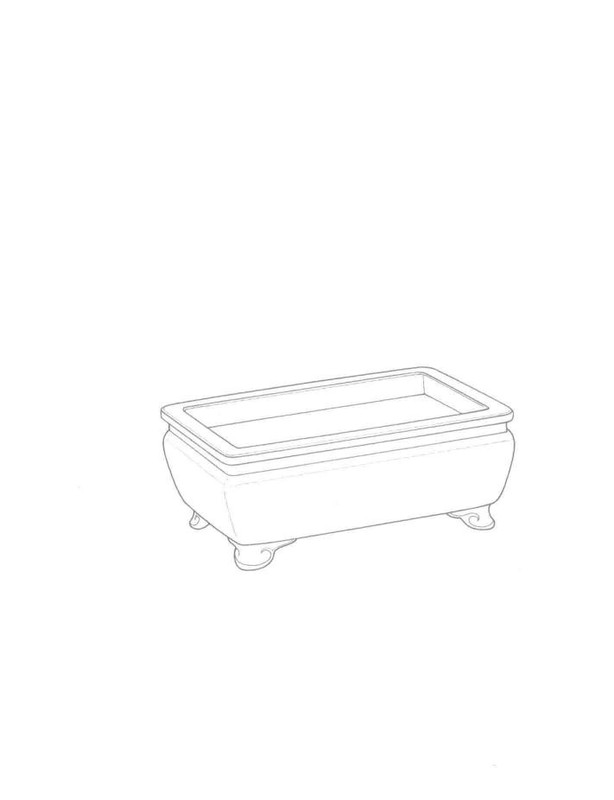
The Timeless Elegance of Classic Yixing Flower Pots: Where Tea Culture Meets Botanical Beauty
When we think of Yixing pottery, our minds typically drift to the iconic teapots that have graced tea ceremonies for centuries. But there’s another treasure in the Yixing tradition that deserves equal attention from tea enthusiasts: the classic flower pot, or huapen (花盆). While it may not brew your favorite oolong, this elegant vessel represents a fascinating intersection of tea culture, horticulture, and the timeless artistry of Yixing clay.
A Different Kind of Yixing Treasure
The Yixing region in Jiangsu Province, China, has been synonymous with exceptional pottery for over a thousand years. While teapots (zisha hu) steal most of the spotlight, the potters of Yixing have long applied their mastery to creating vessels for another beloved Chinese tradition: cultivating miniature landscapes and ornamental plants. These flower pots embody the same dedication to craftsmanship, the same understanding of clay properties, and the same aesthetic principles that make Yixing teapots so revered.
For the tea enthusiast, appreciating Yixing flower pots isn’t a departure from tea culture—it’s an expansion of it. Traditional Chinese tea spaces have always incorporated elements of nature, from bamboo to carefully arranged flowers and potted plants. The flower pot serves as a bridge between the contemplative practice of tea drinking and the meditative art of plant cultivation, both deeply rooted in Chinese philosophy and aesthetics.
The Visual Poetry of Form and Function
Classic Yixing flower pots showcase a remarkable balance between simplicity and sophistication. Unlike their more ornate cousins in other ceramic traditions, these vessels embrace restraint. The form typically features clean lines and proportions that feel both grounded and graceful—much like the teapots from the same kilns.
The clay itself tells a story. Authentic Yixing pottery uses zisha (purple clay), though flower pots might also incorporate hongni (red clay) or duanni (yellow clay). Each clay type brings its own character: purple clay offers earthy, muted tones that age beautifully; red clay provides warmth and richness; yellow clay delivers a softer, more delicate appearance. The unglazed surface is key—it allows the clay to breathe, which benefits both the plants it holds and the aesthetic experience it provides.
What makes these pots particularly captivating is their texture. The surface might appear smooth from a distance, but closer inspection reveals the subtle grain of the clay, the gentle marks of the potter’s tools, and sometimes the faint impression of fingers that shaped the vessel. This tactile quality invites touch and contemplation, much like running your fingers over a well-seasoned teapot.
The proportions of classic designs tend toward the harmonious rather than the dramatic. You’ll often find gently curved walls that taper slightly toward the base, providing stability while maintaining visual lightness. Drainage holes at the bottom are thoughtfully placed—not just functional necessities but considered elements of the overall design. Some pots feature subtle feet that lift the vessel slightly, creating a shadow line that adds depth and prevents water damage to surfaces.
Historical Roots in Chinese Aesthetic Tradition
Understanding the historical context of Yixing flower pots requires stepping back to see the bigger picture of Chinese cultural life. During the Ming Dynasty (1368-1644), when Yixing teapots were gaining prominence, there was a parallel flourishing of interest in miniature landscapes (penjing) and ornamental plant cultivation. Scholars and artists didn’t compartmentalize these interests—tea appreciation, poetry, calligraphy, and horticulture were all part of an integrated aesthetic lifestyle.
The same artisans who perfected teapot forms were often commissioned to create vessels for prized plants. This wasn’t considered a lesser art form; rather, it was seen as applying the same principles of harmony, proportion, and material understanding to a different purpose. The flower pot needed to complement the plant without overwhelming it, provide proper growing conditions, and enhance the overall atmosphere of a scholar’s studio or tea room.
By the Qing Dynasty (1644-1912), Yixing pottery had reached new heights of refinement. Master potters developed signature styles, and collectors began seeking out specific makers’ works—whether teapots or flower pots. The traditional craftsmanship techniques established during these periods continue to influence contemporary Yixing pottery, creating an unbroken lineage of knowledge and skill.
What’s particularly interesting for tea lovers is how the philosophy behind these flower pots mirrors tea culture itself. Both emphasize patience, attention to natural processes, and the beauty of gradual transformation. Just as a teapot seasons over time, developing a patina from countless brewings, a Yixing flower pot ages gracefully, its surface subtly changing as minerals from water and soil interact with the clay.
Creating a Complete Tea Space
While a Yixing flower pot won’t directly brew your tea, it plays a crucial role in creating the ideal environment for tea appreciation. Traditional Chinese tea culture has always recognized that the setting matters as much as the tea itself. The presence of living plants brings vitality and natural beauty to a tea space, and housing those plants in vessels that share the same material heritage as your teapot creates aesthetic coherence.
Consider the plants traditionally paired with tea culture: bamboo for resilience and integrity, orchids for refinement, chrysanthemums for autumn contemplation, or small pine specimens for endurance. Each carries symbolic meaning that enriches the tea experience. A classic Yixing flower pot provides the perfect home for these companions to your tea practice.
The unglazed Yixing clay offers practical benefits for plant cultivation too. Its porosity allows for better air circulation around roots and helps regulate moisture—plants neither dry out too quickly nor sit in waterlogged soil. This is particularly beneficial for the types of plants favored in tea spaces, many of which prefer well-draining conditions.
Pairing Plants with Your Tea Practice
Just as different teas suit different moods and seasons, the plants you choose for your Yixing flower pots can complement your tea drinking throughout the year. Here’s how to think about these pairings:
Spring and Green Teas: Consider delicate flowering plants or fresh herbs. A small jasmine plant in a yellow clay pot echoes the floral notes in jasmine pearls. Fresh mint or lemon balm not only looks beautiful but can occasionally contribute to tea blends.
Summer and White Teas: Opt for plants with silvery or pale green foliage that mirror the subtle elegance of white tea. Small succulents or air plants in a light-colored Yixing pot create a cooling visual effect perfect for hot weather tea sessions.
Autumn and Oolong Teas: This is chrysanthemum season in Chinese tradition. A classic Yixing pot housing a small chrysanthemum plant brings the same complexity and depth to your tea space that a good oolong brings to your cup.
Winter and Dark Teas: Evergreen plants like small pines or junipers in darker clay pots provide the grounding presence that complements aged pu-erh or robust black teas. Their enduring nature mirrors the lasting warmth these teas provide.
Practical Considerations for Tea Enthusiasts
If you’re thinking about incorporating a classic Yixing flower pot into your tea practice, here are some practical tips:
Selecting Your Pot: Look for the same qualities you’d seek in a teapot—good craftsmanship, appropriate clay quality, and pleasing proportions. The pot should feel substantial but not heavy, with walls thick enough to provide insulation for roots but not so thick that the vessel becomes unwieldy.
Seasoning: Like a new teapot, a Yixing flower pot benefits from initial preparation. Rinse it thoroughly with clean water, let it soak for a few hours, then allow it to dry completely before first use. This removes any dust from production and begins the process of opening the clay’s pores.
Maintenance: The beauty of Yixing clay is that it improves with use. As you water your plants, minerals gradually interact with the clay surface, creating a subtle patina. Avoid using harsh detergents or scrubbing aggressively—gentle rinsing with water is sufficient. If mineral deposits build up, a soft brush and plain water will handle them.
Placement: Position your potted plants where they’ll be visible during tea sessions but won’t interfere with the practical aspects of tea preparation. A side table, a shelf at eye level, or a dedicated plant stand works well. Consider the lighting needs of your plants—most tea-space favorites prefer bright, indirect light, similar to the conditions in a traditional scholar’s studio.
Seasonal Rotation: Just as you might rotate through different teapots for different teas, consider having a few Yixing flower pots for seasonal plant displays. This keeps your tea space dynamic and aligned with natural cycles.
The Meditative Connection
There’s a deeper reason why Yixing flower pots resonate with tea enthusiasts beyond mere aesthetics. Both tea cultivation and plant care require patience, attention, and a willingness to work with natural processes rather than against them. Watering a plant in a Yixing pot can become as meditative as brewing tea—the same focus on the present moment, the same appreciation for gradual transformation.
The act of caring for plants in your tea space creates a rhythm that complements your tea practice. Morning watering might precede your first tea of the day. Checking on plant health becomes part of preparing your tea environment. Over time, you develop an intuitive understanding of what your plants need, much as you develop an intuitive sense for water temperature and steeping times.
Investing in Tradition
Classic Yixing flower pots represent an accessible entry point into collecting traditional Chinese pottery. While rare antique teapots can command astronomical prices, well-crafted flower pots from contemporary artisans working in traditional styles remain relatively affordable. This makes them an excellent way to experience authentic Yixing craftsmanship and begin understanding what makes this pottery tradition so special.
As you develop your appreciation for Yixing clay through flower pots, you’ll find your understanding of teapots deepening as well. You’ll recognize quality clay, appreciate subtle variations in form, and understand how the material interacts with its contents—whether tea or soil.
Conclusion: Expanding Your Tea World
The classic Yixing flower pot may not brew tea, but it enriches tea culture in countless ways. It brings living beauty to your tea space, connects you to centuries of Chinese aesthetic tradition, and provides another avenue for appreciating the remarkable properties of Yixing clay. For the tea enthusiast seeking to deepen their practice, these vessels offer a perfect complement to teapots—different in function but united in spirit.
Whether you’re setting up your first dedicated tea space or looking to enhance an established practice, consider the humble flower pot. Choose one that speaks to you, find a plant that resonates with your tea preferences, and let both become part of your tea journey. You might be surprised how much a simple pot of earth and greenery can enhance those quiet moments with a perfect cup of tea.
