醒钟壶
Discover the 醒钟壶, a classic Yixing pottery design with unique characteristics
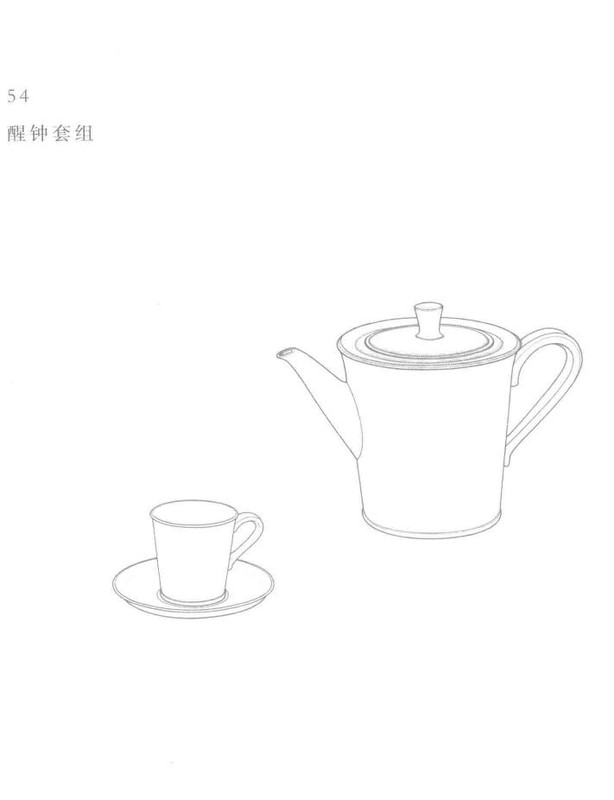
The Xing Zhong Hu (醒钟壶): A 1970s Masterpiece of Yixing Craftsmanship
The Xing Zhong Hu, whose name translates literally as “Awakening Bell Pot,” represents a fascinating chapter in Yixing pottery’s modern history. Created during the 1970s and bearing the seals of Zui Zhou on the lid and Man Dian Tao Yi on the base, this classic design embodies the transitional period when traditional Chinese tea culture was being carefully preserved and revitalized after years of upheaval.
Understanding the Name: Why “Awakening Bell”?
The name Xing Zhong (醒钟) carries profound symbolism that speaks to both form and function. The character 醒 (xing) means “to awaken” or “to become alert,” while 钟 (zhong) refers to a bell. This nomenclature suggests a teapot whose shape evokes the graceful curves of a temple bell, while its purpose—to awaken the senses through perfectly brewed tea—aligns with the meditative and consciousness-raising aspects of traditional Chinese tea ceremony.
In Chinese tea culture, the act of brewing and drinking tea has always been considered a form of awakening—not just from physical drowsiness, but as a path to mental clarity and spiritual awareness. The Xing Zhong Hu embodies this philosophy in clay, serving as both a functional brewing vessel and a reminder of tea’s deeper significance.
The 1970s Context: A Pivotal Decade for Yixing
To truly appreciate the Xing Zhong Hu, we must understand the era of its creation. The 1970s marked a crucial period for Yixing pottery. After the Cultural Revolution’s disruptions to traditional crafts, the decade saw a gradual return to classical forms and techniques. Master potters who had maintained their skills in difficult times began training new generations, and there was renewed interest in preserving historic designs while adapting them for contemporary use.
The seals on this particular piece—Zui Zhou and Man Dian Tao Yi—tell their own story. Man Dian Tao Yi (曼电陶艺) translates roughly to “Mandian Ceramic Art,” suggesting this pot emerged from a workshop or collective that was actively working to maintain artistic standards during a period when individual artisan signatures were less common than they had been historically or would become again in later decades.
The Zui Zhou seal on the lid adds another layer of provenance. In Yixing tradition, different seals on the lid and base often indicate either a master-apprentice relationship or a workshop system where different skilled hands contributed to a single piece. This collaborative approach was particularly common in the 1970s production model.
Design Characteristics: The Bell-Shaped Form
The Xing Zhong Hu’s most distinctive feature is its bell-like silhouette. The body curves gently outward from a narrower base, swelling to its widest point at the shoulder before tapering inward toward the lid opening. This shape isn’t merely aesthetic—it serves crucial functional purposes in tea brewing.
The bell form creates an ideal internal space for tea leaves to unfurl and circulate during steeping. As hot water is poured in, it flows around the curved interior walls, creating gentle convection currents that ensure even extraction without over-agitating the leaves. This is particularly important for delicate teas that can become bitter if subjected to turbulent brewing conditions.
The rounded belly also provides excellent heat retention. The thick walls characteristic of quality Yixing clay, combined with the pot’s compact, enclosed shape, maintain stable brewing temperatures—essential for coaxing out the full flavor profile of premium teas without the sharp temperature drops that can occur in pots with more angular or exposed designs.
Clay, Color, and Texture
While the specific clay body used for this Xing Zhong Hu isn’t detailed in the source material, pots from the 1970s Man Dian workshop typically employed zisha (purple sand) clay in its various natural color variations. The 1970s saw potters working primarily with traditional clay sources, before some of the mining and processing changes that would come in later decades.
The surface of a well-made Xing Zhong Hu should display the characteristic fine-grained texture of quality zisha—smooth to the touch but with a subtle granularity visible under close inspection. This texture is crucial for the pot’s seasoning process, as the microscopic pores in the clay gradually absorb tea oils and develop the prized patina that Yixing collectors treasure.
The color would likely fall somewhere in the spectrum from reddish-brown to deep purple-brown, depending on the specific clay mixture and firing temperature used. These natural earth tones reflect the iron-rich composition of authentic Yixing clay and deepen beautifully with use over time.
The Lid: Precision and Seal
The lid of the Xing Zhong Hu deserves special attention. In bell-shaped pots, the lid typically features a relatively flat or gently domed profile, maintaining the overall downward-flowing lines of the design. The fit between lid and body is critical—a well-made Xing Zhong Hu should have a lid that seats securely without wobbling, yet lifts off smoothly without sticking.
The presence of the Zui Zhou seal on the lid indicates attention to detail in the pot’s construction. In traditional Yixing practice, the lid and body are fired together to ensure a perfect fit, as the clay shrinks during firing. A lid sealed by a specific maker suggests quality control and individual accountability for this crucial component.
The lid’s knob, or “button,” on a Xing Zhong Hu is typically modest in size—large enough to grasp comfortably but not so prominent as to disrupt the pot’s bell-like silhouette. This balance between functionality and aesthetic harmony is a hallmark of thoughtful design.
Spout and Handle: Completing the Form
The spout of a Xing Zhong Hu must work in concert with the bell-shaped body. Typically, these pots feature a slightly curved spout that extends gracefully from the body’s shoulder, positioned to pour smoothly without dripping. The spout’s internal passage should be carefully crafted to allow tea to flow freely while filtering out leaves—a detail that separates masterful work from merely adequate pieces.
The handle complements the pot’s curves, usually arching upward and outward in a shape that echoes the body’s rounded form. Proper handle placement is crucial for balance; when the pot is full of water, it should feel stable and comfortable in the hand, with the weight distributed evenly. The handle’s attachment points to the body are also areas where a potter’s skill shows—clean, strong joins that blend seamlessly into the overall design.
Tea Pairing: What Brews Best in a Xing Zhong Hu
The Xing Zhong Hu’s design makes it particularly well-suited for certain categories of tea. Its rounded shape and excellent heat retention make it ideal for:
Oolong Teas: The pot’s ability to maintain stable temperatures suits the multiple infusions typical of oolong brewing. The spacious interior allows rolled oolong leaves to fully expand, while the gentle water circulation prevents over-extraction. Taiwanese high-mountain oolongs and traditional Wuyi rock oolongs both perform beautifully in this pot style.
Aged Pu-erh: The Xing Zhong Hu’s heat retention helps coax complex flavors from aged pu-erh teas, which benefit from sustained high temperatures. The pot’s shape allows the compressed leaves to gradually unfurl across multiple steepings, revealing different flavor layers with each infusion.
Red Teas (Black Teas): Chinese red teas like Dian Hong or Keemun develop rich, smooth character in a Xing Zhong Hu. The pot’s design prevents the harsh notes that can emerge when these teas are brewed too aggressively, instead producing a rounded, mellow cup.
The key is to dedicate your Xing Zhong Hu to one type of tea. Yixing clay’s porous nature means it absorbs tea oils and flavors over time, gradually seasoning the pot. This seasoning enhances future brews of the same tea type but can create muddy flavors if you switch between very different teas.
Brewing Technique: Getting the Most from Your Xing Zhong Hu
Using a Xing Zhong Hu effectively requires understanding its particular characteristics:
Preheating: Always preheat the pot by filling it with hot water and letting it sit for a minute before brewing. The clay’s thermal mass means it will initially absorb heat from your brewing water; preheating ensures your first infusion reaches the proper temperature.
Leaf Quantity: The bell shape’s spacious interior means you can use slightly less leaf than you might in a more compact pot—typically about one-third to one-half full of dry leaves, depending on the tea type and your taste preferences.
Water Temperature: The pot’s excellent heat retention means you can use water at the lower end of the recommended temperature range for your chosen tea. The clay will maintain heat throughout the steeping, so starting slightly cooler prevents over-extraction.
Pouring Technique: Pour water in a circular motion around the interior, allowing it to flow down the curved walls. This gentle introduction of water prevents shocking the leaves and promotes even saturation.
Infusion Times: Start with shorter steepings than you might use in other vessels—perhaps 20-30 seconds for the first infusion of oolong or pu-erh. The efficient extraction in the Xing Zhong Hu’s well-designed interior means flavors develop quickly.
Multiple Infusions: The pot’s design supports many successive steepings. Gradually increase steeping time with each infusion, allowing the tea to reveal its full complexity across 6-10 or more brews.
Care and Seasoning
A Xing Zhong Hu from the 1970s, if you’re fortunate enough to acquire one, requires respectful care:
Initial Cleaning: If the pot is new to you, clean it gently with warm water only—no soap, which can be absorbed by the porous clay. Some collectors perform a gentle “opening” ritual, simmering the pot in water with tea leaves to begin the seasoning process.
After Each Use: Rinse the pot thoroughly with hot water, removing all tea leaves. Leave the lid off and allow the pot to air dry completely before storing. The clay needs to breathe.
Building Patina: With regular use, your Xing Zhong Hu will develop a lustrous patina on its exterior. Some tea lovers gently brush the outside with leftover tea during brewing sessions, though this is optional. The interior will naturally darken and develop a smooth, seasoned surface.
Avoid: Never use detergents, never put the pot in a dishwasher, and never expose it to sudden temperature changes (like cold water on a hot pot), which can cause cracking.
Collecting Considerations
For collectors, a 1970s Xing Zhong Hu with clear provenance seals like Zui Zhou and Man Dian Tao Yi represents an interesting acquisition. This era’s pots occupy a middle ground—more accessible than rare antique pieces, yet increasingly valued as examples of traditional craftsmanship from a pivotal period in Yixing’s modern history.
Authentication is important. Genuine 1970s Yixing should show appropriate aging characteristics—a natural patina if used, or a certain quality to the clay surface if unused. The seals should be crisp but show the hand-carved character typical of the period, not the overly perfect impressions of modern commercial stamps.
The Xing Zhong design itself, being a classic form, has been reproduced in various eras. A true 1970s example will have subtle characteristics in its proportions, clay quality, and construction details that distinguish it from both earlier and later versions.
The Xing Zhong Hu in Contemporary Tea Culture
Today, the Xing Zhong Hu design continues to resonate with tea enthusiasts who appreciate its elegant simplicity and functional excellence. In an era of sometimes overwrought teapot designs, the clean lines and purposeful form of the “Awakening Bell” pot remind us that the best tools often arise from a deep understanding of both material and purpose.
Using a Xing Zhong Hu—particularly one with the history of a 1970s piece—connects us to a continuum of tea culture that spans centuries. Each time we brew tea in such a pot, we participate in a tradition that has survived dynastic changes, cultural upheavals, and the relentless pace of modernization.
The pot’s name, “Awakening Bell,” takes on additional meaning in this context. It awakens not just our senses to the tea’s flavor, but our awareness of the hands that shaped the clay, the cultural knowledge embedded in its form, and the simple yet profound pleasure of a well-brewed cup of tea.
Conclusion
The Xing Zhong Hu stands as a testament to Yixing pottery’s enduring relevance. Created during a decade when traditional crafts were being carefully revived and preserved, pots like this 1970s example bearing the Zui Zhou and Man Dian Tao Yi seals represent both continuity with the past and adaptation to changing times.
Whether you’re a serious collector, a devoted tea practitioner, or simply someone who appreciates beautiful, functional objects, the Xing Zhong Hu offers something special. Its bell-like form isn’t just aesthetically pleasing—it’s a shape refined over generations to brew tea with exceptional results. Its name reminds us that tea drinking is about awakening, about becoming more present and aware.
In our fast-paced modern world, taking time to brew tea properly in a pot like the Xing Zhong Hu becomes an act of mindfulness, a small
