汉云壶
Discover the 汉云壶, a classic Yixing pottery design with unique characteristics
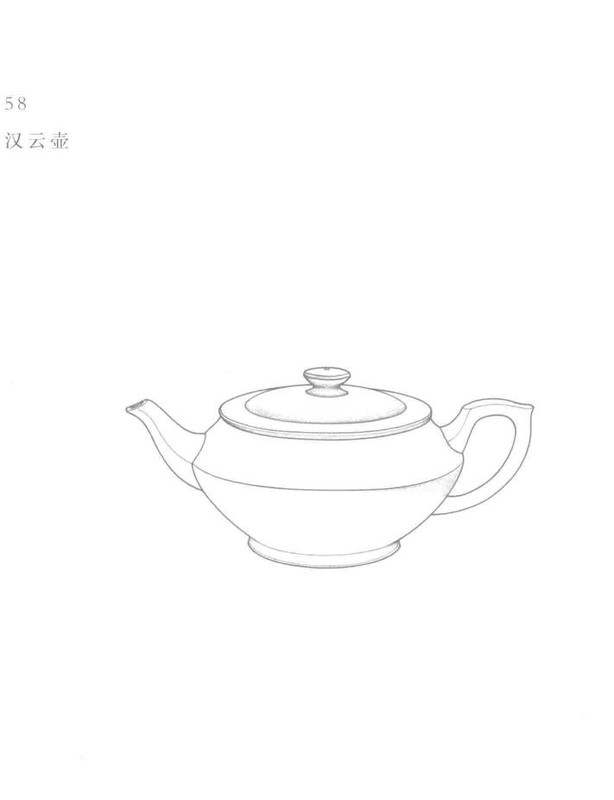
The Han Yun Hu (汉云壶): A Masterwork of 1970s Yixing Craftsmanship
In the pantheon of classical Yixing teapot designs, the Han Yun Hu (汉云壶) stands as a testament to the enduring elegance of traditional Chinese pottery. Its name—which translates roughly as “Han Dynasty Clouds Pot”—evokes the misty, ethereal aesthetic of ancient China, yet this particular design reached its refined expression during the creative ferment of 1970s Yixing production. This pot represents a fascinating intersection of historical inspiration and modern mastery, bearing the mark of the legendary potter Jingzhou and embodying the classical design principles that have made Yixing teaware treasured by connoisseurs for centuries.
A Design Rooted in Classical Tradition
The Han Yun Hu belongs to the category of classical Yixing designs—those forms that have been refined and passed down through generations of master potters. Unlike innovative or experimental designs that emerge from individual artistic vision, classical designs like the Han Yun Hu represent a collective aesthetic wisdom, shapes that have proven their functional excellence and visual harmony over decades or even centuries of use.
The specific example documented in historical records from the 1970s bears the base seal “Jingzhou Zhi Hu” (景舟制壶), meaning “Jingzhou Made Teapot,” along with a lid seal reading “Bang” (帮). These markings are not mere signatures but historical documents in clay, connecting this particular pot to a specific moment in Yixing’s rich pottery tradition. The 1970s represented a period of renewed artistic production in Yixing, as master potters returned to their craft after the disruptions of the previous decade, bringing with them both traditional techniques and fresh creative energy.
The Visual Poetry of Form
While the Han Yun Hu draws its name from the Han Dynasty (206 BCE – 220 CE), its form speaks a more universal language of balance and restraint. The design philosophy behind this pot emphasizes smooth, flowing lines that suggest movement without agitation—like clouds drifting across an autumn sky. This aesthetic principle, deeply rooted in Chinese artistic tradition, values the space between elements as much as the elements themselves.
The Han Yun Hu typically features a rounded body that swells gently from its base, creating a sense of fullness without heaviness. This curvature is not arbitrary; it serves the practical purpose of allowing tea leaves to unfurl completely during steeping while also creating an optimal ratio of surface area to volume for heat retention. The body’s form suggests abundance and generosity, qualities highly valued in Chinese tea culture where the act of sharing tea represents hospitality and friendship.
The spout of a well-crafted Han Yun Hu flows naturally from the body, its curve echoing the pot’s overall roundness while maintaining a distinct identity. A properly designed spout on this style of pot should pour with confidence—a smooth, controlled stream that can be stopped cleanly without dripping. This functional elegance is one of the hallmarks of classical Yixing design, where beauty and utility are inseparable.
The handle, too, follows the pot’s curved aesthetic, rising from the body in a graceful arc that provides both comfortable grip and visual balance. In classical Chinese pottery, the handle is never an afterthought but an integral part of the pot’s overall composition, its placement and proportion carefully calculated to create harmony with the spout and body.
The lid of the Han Yun Hu deserves particular attention. In Yixing teapots, the lid’s fit is a mark of the potter’s skill—it should sit securely without wobbling, yet lift easily without sticking. The lid seal “Bang” on this particular example indicates not just ownership or workshop affiliation but also serves as a quality mark, a potter’s commitment to their work. The lid’s knob, or “button,” typically echoes the pot’s overall aesthetic, providing a tactile and visual conclusion to the design’s upward movement.
The Clay: Zisha’s Living Character
Like all authentic Yixing teapots, the Han Yun Hu would have been crafted from zisha clay—the “purple sand” that gives these pots their unique properties. The specific clay body chosen for a Han Yun Hu significantly impacts both its appearance and performance. Traditional examples might use zhuni (vermillion clay), zini (purple clay), or duanni (yellow clay), each bringing distinct characteristics to the finished pot.
The beauty of zisha clay lies in its transformation through use. Unlike glazed ceramics that remain static, a zisha teapot develops a patina over time, its surface gradually taking on a subtle luster as tea oils season the clay. This “yang” (养), or nourishing of the pot, is considered an essential part of the tea experience in Chinese culture. A well-seasoned Han Yun Hu becomes not just a brewing vessel but a living record of countless tea sessions, each cup contributing to the pot’s evolving character.
The clay’s porosity is crucial to its function. Zisha’s microscopic structure allows it to breathe, absorbing some of the tea’s essential oils while permitting air exchange that prevents the brew from becoming stale. This same porosity means that a Yixing pot should be dedicated to a single type of tea—the clay’s memory, so to speak, becomes part of the brewing process.
Historical Context: The 1970s Renaissance
The 1970s marking on this particular Han Yun Hu places it within a significant period of Yixing pottery history. This decade saw a resurgence of traditional craftsmanship as master potters, many of whom had been prevented from practicing their art during the Cultural Revolution, returned to their wheels and tools. There was a palpable sense of reconnecting with interrupted traditions, of preserving techniques that had nearly been lost.
Jingzhou, whose seal appears on this pot, was part of this renaissance. The fact that this potter chose to create a classical design like the Han Yun Hu rather than pursuing more experimental forms speaks to the period’s emphasis on preserving and perfecting traditional aesthetics. These potters understood themselves as links in a chain stretching back centuries, responsible for passing refined techniques and designs to future generations.
The 1970s also marked the beginning of renewed international interest in Chinese tea culture and Yixing pottery. As China began opening to the outside world, these teapots started finding their way into collections beyond China’s borders, introducing new audiences to the sophistication of gongfu tea brewing and the unique properties of zisha clay.
Tea Pairing: Finding the Perfect Match
The Han Yun Hu’s design characteristics make it particularly well-suited to certain categories of tea. Understanding these pairings requires considering both the pot’s physical properties and its aesthetic character.
Oolong Teas: The Han Yun Hu excels with oolong teas, particularly those from Wuyi Mountain or Anxi. The pot’s rounded body provides ample space for oolong leaves to expand fully—these leaves often unfurl to several times their dry size, and cramped conditions can prevent them from releasing their full flavor complexity. The clay’s heat retention helps maintain the higher temperatures that bring out oolong’s characteristic floral and mineral notes. A traditional Tieguanyin or a roasted Dahongpao would both shine when brewed in a Han Yun Hu.
Aged Teas: The pot’s capacity for heat retention also makes it excellent for aged teas that benefit from sustained high temperatures. Aged pu-erh, particularly ripe (shou) pu-erh, develops its earthy, smooth character beautifully in this style of pot. The clay’s ability to soften water and mellow harsh notes complements aged tea’s natural smoothness.
Red Teas (Black Teas): Chinese red teas like Dianhong or Keemun also pair wonderfully with the Han Yun Hu. These teas appreciate the pot’s heat retention and the way zisha clay can enhance their natural sweetness while tempering any astringency. The pot’s rounded form allows the larger red tea leaves to move freely during steeping.
What to Avoid: Delicate green teas and white teas are generally not ideal for the Han Yun Hu. These teas require lower temperatures and shorter steeping times, and the pot’s heat retention can easily lead to over-extraction and bitterness. Additionally, dedicating a fine Yixing pot to green tea means missing out on the beautiful seasoning that develops with darker, more robust teas.
Brewing Technique: Honoring the Pot’s Design
Using a Han Yun Hu properly requires understanding both general gongfu brewing principles and the specific characteristics of this design.
Preparation: Before first use, a new Han Yun Hu should be properly prepared. Rinse it thoroughly with hot water, then simmer it gently in a pot of water with some tea leaves of the type you plan to dedicate it to. This initial seasoning helps remove any clay dust and begins the pot’s relationship with its chosen tea. Never use soap or detergents on a Yixing pot—the porous clay will absorb these chemicals and ruin future brews.
Water Temperature: The Han Yun Hu’s excellent heat retention means you can use water at full boil for appropriate teas without worrying about rapid cooling. For oolongs, pour water at 95-100°C (203-212°F). For aged pu-erh, boiling water is ideal. The pot will maintain temperature throughout the steeping process.
Tea Quantity: A general guideline is to fill the pot about one-third full with dry leaves, though this varies by tea type. Oolongs and aged pu-erh can be generous—the leaves will expand significantly. The Han Yun Hu’s rounded body accommodates this expansion while ensuring all leaves contact the water.
Steeping Times: Begin with short steeps—10-15 seconds for the first infusion—and gradually increase with each subsequent brewing. The Han Yun Hu’s design allows for multiple infusions, often six to ten or more with quality tea. Each infusion reveals different aspects of the tea’s character, and the pot’s consistent heat helps maintain quality across all brewings.
Pouring Technique: Pour decisively and completely. The Han Yun Hu’s spout should deliver a smooth, controlled stream. Empty the pot fully between infusions to prevent over-steeping and to allow the leaves to rest. This complete pouring also helps develop the pot’s patina evenly.
Post-Brewing Care: After your tea session, remove the spent leaves and rinse the pot with hot water only. Leave the lid off and allow the pot to air dry completely before storing. Never put a Yixing pot away while damp—this can lead to mold or musty odors that will affect future brews. Some practitioners gently wipe the exterior with a soft tea cloth while the pot is still warm, helping to develop its luster.
The Living Pot: Seasoning and Patina
One of the most rewarding aspects of owning a Han Yun Hu is watching it transform through use. This process, called “raising the pot” (养壶, yang hu), is considered an art form in itself within Chinese tea culture.
With each brewing session, microscopic amounts of tea oils penetrate the clay’s porous surface. Over months and years, these oils build up, creating a subtle sheen that deepens the pot’s color and enhances its beauty. A well-seasoned Han Yun Hu will develop a warm glow, its surface taking on a jade-like quality that cannot be achieved through any artificial means.
This patina is not merely aesthetic—it actually improves the pot’s brewing performance. The seasoned clay becomes increasingly adept at bringing out the best in its dedicated tea, the accumulated oils contributing subtle complexity to each brew. This is why serious collectors often maintain multiple pots, each dedicated to a specific tea type and each developing its own unique character.
The process requires patience and consistency. Rushing it by applying tea directly to the pot’s exterior or using oils will create an artificial, uneven finish that lacks the depth of genuine patina. The authentic glow of a properly seasoned Han Yun Hu comes only from regular, mindful use—a physical manifestation of the time and attention devoted to the tea practice.
Collecting and Appreciation
For collectors and tea enthusiasts, a Han Yun Hu represents an accessible entry point into classical Yixing design. While rare antique examples or pots by famous contemporary masters can command high prices, well-crafted Han Yun Hu teapots by skilled artisans remain relatively available.
When evaluating a Han Yun Hu, look for several key qualities: The clay should have a natural, unforced appearance—avoid pots with overly shiny or artificial-looking surfaces. The lid should fit precisely, with a small breathing hole that you can cover with your thumb to test the seal (when covered, water should not pour from the spout). The spout, lid opening, and handle top should align on the same horizontal plane. The pot should feel balanced in hand, neither too heavy nor too light for its size.
The seal marks, like the “Jingzhou Zhi Hu” and “Bang” on the documented 1970s example, add historical interest and can help authenticate a pot’s age and maker. However, seals can be forged, so they should be considered alongside other factors like clay quality, craftsmanship, and overall aesthetic coherence.
Conclusion: A Bridge Between Past and Present
The Han Yun Hu embodies the enduring appeal of classical Chinese pottery design. Its name evokes ancient clouds, its form balances function and beauty, and its clay carries the living tradition of Yixing craftsmanship. The 1970s example bearing Jingzhou’s seal represents a specific moment in this ongoing tradition—a time when master potters reconnected with their heritage and ensured its continuation.
For the modern tea drinker, a Han Yun Hu offers more than just a brewing vessel. It provides a tangible connection to centuries of tea culture, a daily reminder that the simple act of preparing tea can be elevated to an art form. Each time you lift this pot, pour water over leaves, and share tea with friends, you participate in a practice that has brought people together across generations and cultures.
The Han Yun Hu asks for patience—in its use, in its seasoning, in the slow unfolding of its character over time. In our fast-paced world, this patience is itself a gift, an invitation to slow down and pay attention to the small rituals that give life texture and meaning. Whether you’re a serious collector or simply someone who appreciates a well-made cup of tea, the Han Yun Hu offers a worthy companion for the journey.
