牛盖莲子壶
Discover the 牛盖莲子壶, a classic Yixing pottery design with unique characteristics
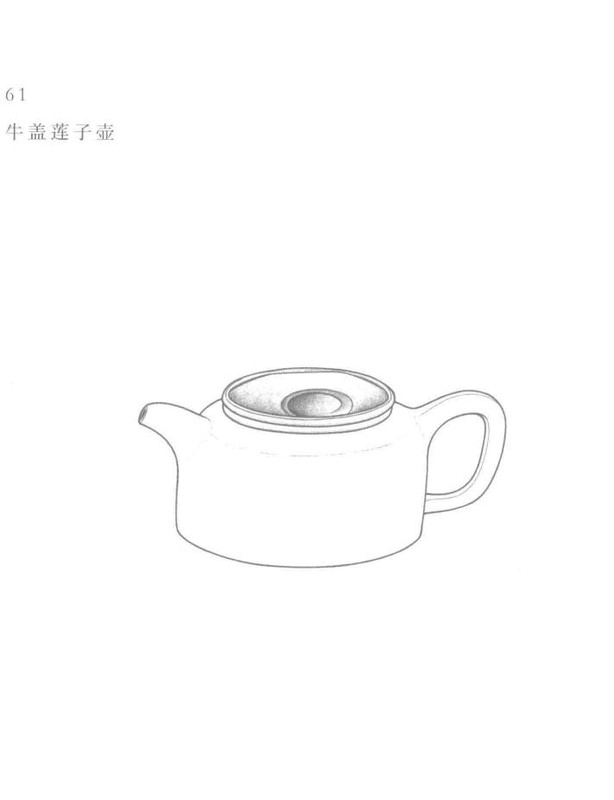
The Niu Gai Lianzi Hu (牛盖莲子壶): A Masterwork of Yixing’s Golden Era
The Niu Gai Lianzi Hu (牛盖莲子壶), literally translated as the “Ox-Cover Lotus Seed Pot,” represents one of the most refined and technically demanding designs in the Yixing pottery canon. This classic form, which reached its artistic zenith in the hands of master potter Gu Jingzhou during the late 1970s and 1980s, embodies the perfect marriage of natural inspiration and functional elegance that defines the highest achievements of Chinese teaware.
Understanding the Name: Ox Cover and Lotus Seeds
The name itself tells a story. The “ox cover” (牛盖) refers to the distinctive lid design that resembles the gentle curve of an ox’s back—broad, smooth, and reassuring. This isn’t merely poetic license; the lid’s shape serves a crucial functional purpose, creating a large surface area that allows for precise temperature control during brewing while maintaining an elegant profile that doesn’t overwhelm the pot’s body.
The “lotus seed” (莲子) element describes the pot’s body shape, which echoes the rounded, slightly compressed form of lotus seeds. In Chinese culture, the lotus holds profound significance as a symbol of purity emerging from muddy waters, making this design choice both aesthetically pleasing and culturally resonant. The body’s gentle curves and balanced proportions create a sense of calm stability—qualities highly prized in tea ceremony implements.
The Gu Jingzhou Legacy
According to documented examples from the late 1970s and 1980s, the Niu Gai Lianzi Hu became particularly associated with Gu Jingzhou (顾景舟), widely regarded as the most influential Yixing potter of the 20th century. Pots bearing his seal marks (印: 顾景舟) from this period represent the pinnacle of this design’s evolution.
Gu Jingzhou’s approach to the Niu Gai Lianzi Hu demonstrated his philosophy that “form follows function, but beauty elevates both.” His versions, particularly those created in the late 1970s (70年代后期), show a masterful understanding of proportion and negative space. Each element—from the spout’s trajectory to the handle’s arc—was calculated not just for visual harmony but for optimal pouring dynamics and comfortable handling.
By the late 1980s (80年代后期), Gu’s Niu Gai Lianzi Hu designs had become so refined that they set the standard against which all subsequent interpretations would be measured. The seal inscriptions found on these pieces, including phrases like “吸墨看茶” (literally “absorb ink, observe tea”), reflect the scholarly tradition of tea appreciation and the intimate connection between calligraphy, pottery, and tea culture.
Design Characteristics and Visual Elements
The Body: Lotus Seed Inspiration
The body of the Niu Gai Lianzi Hu presents a rounded, slightly flattened spherical form that sits low and stable. Unlike taller, more vertical designs, this pot emphasizes horizontal expansion, creating a generous internal volume while maintaining a compact footprint. The walls curve inward at the shoulder before meeting the lid, creating a subtle transition that guides the eye naturally upward.
The clay traditionally used for this design is often Zisha (purple clay) in its various natural tones—from warm reddish-browns to deeper purples and even greenish hues depending on the specific clay body and firing conditions. The unglazed surface develops a natural patina over time, a quality known as “yang hu” (养壶) or “raising the pot,” where repeated use with tea gradually enhances the clay’s luster and depth.
The Ox-Cover Lid
The lid is perhaps the most distinctive feature of this design. It sits flush with the pot’s rim, creating a seamless visual line when viewed from the side. The gentle dome rises from the rim like a distant hill, with the knob positioned at the apex. This knob is typically modest in size—large enough to grip comfortably but not so prominent as to disrupt the lid’s flowing contour.
The fit between lid and body is critical in authentic Niu Gai Lianzi Hu pots. Master potters achieve what’s called “three-point alignment” (三点一线), where the tip of the spout, the highest point of the handle, and the top of the lid knob all align on the same horizontal plane when the pot is viewed from the side. This precision isn’t merely aesthetic—it indicates the overall quality of construction and the potter’s skill level.
Spout and Handle Dynamics
The spout emerges from the body in a confident, slightly upward-curving arc. In well-made examples, the spout’s interior is carefully smoothed and shaped to create a laminar flow—the water should pour in a single, unbroken stream without dribbling or splashing. The spout’s length is proportioned to balance the handle’s visual weight, creating equilibrium.
The handle forms a graceful loop that provides comfortable grip while echoing the body’s curves. In Gu Jingzhou’s interpretations, the handle often features a subtle taper, being slightly thicker where it joins the body and more refined at its apex. This isn’t just elegant—it distributes structural stress more effectively and feels more natural in the hand.
Base and Foot Ring
The pot sits on a defined foot ring that lifts the body slightly off the table surface. This detail serves multiple purposes: it protects the pot’s base from direct contact with potentially rough surfaces, allows air circulation for even cooling after use, and provides a clean visual termination to the form. The base typically bears the potter’s seal marks, which in documented examples from the 1970s and 1980s include various combinations of name seals and studio marks.
Historical Context and Evolution
The Niu Gai Lianzi Hu belongs to the category of “classic shapes” (经典款) in Yixing pottery—designs that have been refined over generations and represent established aesthetic ideals rather than experimental innovations. While the exact origins of this specific form are difficult to pinpoint, the design philosophy it embodies can be traced to the Ming and Qing dynasties, when Yixing pottery evolved from utilitarian ware to objects of scholarly appreciation.
The late 20th century, particularly the period from the 1970s through the 1980s, marked a renaissance in Yixing pottery. After the disruptions of the mid-century, master potters like Gu Jingzhou returned to traditional forms with renewed vigor, bringing both historical knowledge and contemporary sensibilities to classic designs. The Niu Gai Lianzi Hu benefited enormously from this revival, as potters had access to better materials, more stable working conditions, and a growing appreciation market that valued technical excellence.
During this period, the documentation and cataloging of Yixing designs also became more systematic, which is why we have detailed records of specific pots, their makers, and their characteristics from this era. The seal marks and inscriptions found on these pieces serve as both authentication and historical record, connecting each pot to its maker and moment of creation.
Tea Pairing: Finding the Perfect Match
The Niu Gai Lianzi Hu’s design characteristics make it particularly well-suited for certain categories of tea, though its versatility shouldn’t be underestimated.
Ideal Teas
Oolong teas, particularly medium to heavily oxidized varieties, find an excellent home in this pot. The generous body volume allows oolong leaves to fully expand during steeping, while the wide opening facilitates easy leaf removal and cleaning. Teas like Wuyi rock oolongs (武夷岩茶) such as Da Hong Pao or Shui Xian benefit from the pot’s heat retention properties, which help develop the tea’s characteristic mineral notes and complex aromatics.
Aged white teas also pair beautifully with this design. The pot’s shape promotes even heat distribution, which is crucial for coaxing out the subtle, evolved flavors of aged Bai Mudan or Shou Mei. The clay’s porosity allows the tea to breathe while steeping, preventing the flat, stewed character that can result from brewing in non-porous materials.
Ripe pu-erh (熟普洱) is another excellent match. The pot’s capacity and heat retention support the multiple short infusions that bring out pu-erh’s earthy depth and smooth sweetness. Over time, as the pot seasons with repeated use, it develops a patina that actually enhances the pu-erh brewing experience, adding subtle complexity to each infusion.
Teas to Approach Carefully
Delicate green teas and lightly oxidized oolongs may be less ideal for this pot, particularly if it’s been seasoned with darker teas. The clay’s porosity means it retains flavor compounds from previous brewing sessions, which can muddy the clean, fresh character of these lighter teas. If you wish to use a Niu Gai Lianzi Hu for green tea, consider dedicating it exclusively to that purpose and choosing a clay body with lower porosity.
Brewing Techniques and Practical Advice
Initial Preparation
Before first use, a new Niu Gai Lianzi Hu should be properly prepared through a process called “kai hu” (开壶) or “opening the pot.” This involves:
-
Cleaning: Rinse the pot thoroughly with room temperature water to remove any dust or residue from production and storage.
-
Boiling: Place the pot in a large vessel of water and bring to a gentle boil for 10-15 minutes. This opens the clay’s pores and removes any remaining impurities.
-
Tea bath: After the initial boiling, some practitioners recommend a second boiling with tea leaves (of the type you plan to brew regularly) to begin the seasoning process.
-
Drying: Allow the pot to air dry completely before first use.
Daily Brewing Practice
The Niu Gai Lianzi Hu’s design supports the gongfu brewing method, which emphasizes multiple short infusions rather than single long steeps:
Water temperature: For oolongs and pu-erh, use water just off the boil (95-100°C/203-212°F). The pot’s thermal mass helps maintain stable temperature throughout the brewing session.
Leaf quantity: The generous body allows for a relatively high leaf-to-water ratio—typically 5-7 grams of tea for a pot holding 150-200ml of water. Adjust based on personal preference and the specific tea being brewed.
Infusion timing: Start with very short infusions (10-15 seconds) and gradually increase with each subsequent brewing. The wide opening makes it easy to pour quickly and completely, preventing over-extraction.
Pouring technique: The well-designed spout should produce a smooth, controlled stream. Pour with confidence, allowing the pot’s design to do the work. The ox-cover lid should remain securely in place during pouring without needing to be held.
Maintenance and Care
After each use: Rinse the pot thoroughly with hot water only—never use soap or detergents, which can be absorbed by the porous clay and affect future brews. Remove all tea leaves and allow the pot to air dry completely with the lid off.
Regular cleaning: Periodically, you may want to give the pot a more thorough cleaning by boiling it in plain water, especially if you notice any buildup or off flavors.
Storage: Store the pot with the lid off to allow air circulation and prevent musty odors. Keep it in a clean, dry place away from strong smells.
Patina development: Over months and years of use, the pot will develop a lustrous patina. This is desirable and indicates proper seasoning. The clay’s surface will become smoother and more reflective, and the pot may even begin to retain a subtle tea fragrance.
Collecting and Authentication
For those interested in acquiring a Niu Gai Lianzi Hu, particularly examples from the significant late 1970s and 1980s period, authentication is crucial. Genuine pieces from this era, especially those by recognized masters like Gu Jingzhou, command significant prices in the collector market.
Seal marks are the primary means of authentication, but they can be forged. Genuine seals from this period show consistent depth, clean edges, and proper placement. The clay quality, construction precision, and overall aesthetic coherence are equally important indicators of authenticity.
Provenance documentation, when available, adds significant value and confidence. Pieces that can be traced to specific exhibitions, publications, or previous collections carry additional historical significance.
For practical tea drinkers rather than collectors, contemporary interpretations of the Niu Gai Lianzi Hu by skilled modern potters offer excellent functionality at more accessible prices. The key is finding pieces that respect the design’s essential proportions and functional requirements, regardless of the maker’s fame.
Conclusion: Form, Function, and the Tea Experience
The Niu Gai Lianzi Hu represents Yixing pottery at its most refined—a design where every curve serves both aesthetic and practical purposes, where cultural symbolism enhances rather than overwhelms functionality, and where the potter’s skill is evident in subtle details rather than showy embellishments.
Whether you’re drawn to this design for its historical significance, its association with masters like Gu Jingzhou, or simply its proven excellence as a brewing vessel, the Niu Gai Lianzi Hu offers a tangible connection to centuries of tea culture. Each time you brew tea in this pot, you participate in a tradition that values patience, attention to detail, and the quiet pleasure of a perfectly executed ritual.
The ox-cover lid closes with a satisfying precision. The lotus-seed body sits stable and reassuring in your palm. The tea pours in a single, unbroken stream. These simple perfections, refined over generations and captured in clay, are what make the Niu Gai Lianzi Hu not just a teapot, but a meditation on the art of tea itself.
