段泥折沿烟缸
Discover the 段泥折沿烟缸, a classic Yixing pottery design with unique characteristics and rich cultural heritage
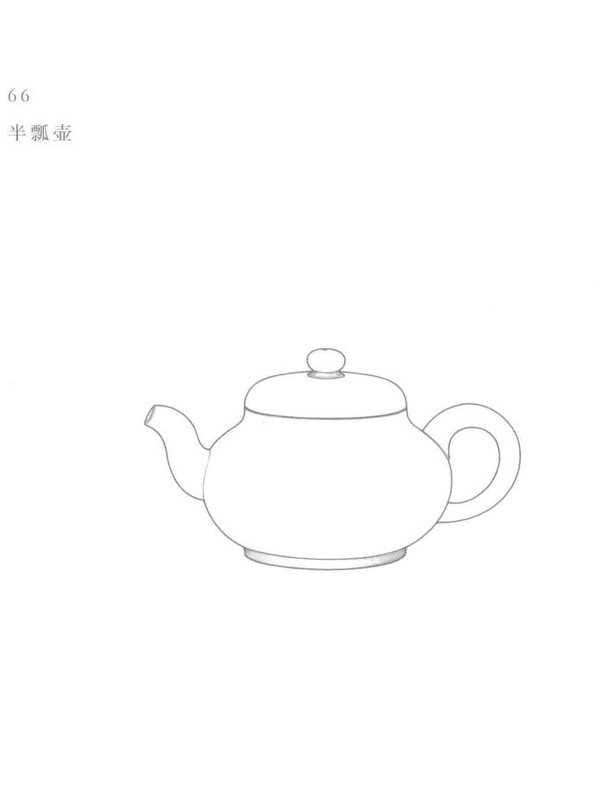
The Duan Ni Zhe Yan Yan Gang: A Classic Yixing Design for the Discerning Tea Lover
When you first encounter the name 段泥折沿烟缸 (Duan Ni Zhe Yan Yan Gang), you might wonder what makes this particular Yixing pottery design so special. The name itself tells a story: “Duan Ni” refers to the distinctive pale clay used in its creation, “Zhe Yan” describes its folded or angled rim, and “Yan Gang” indicates its original inspiration from traditional ash receptacles. But don’t let that last part fool you—this elegant vessel has been refined over centuries into one of the most beloved teapot styles in Chinese tea culture.
A Design Born from Simplicity
The beauty of the Duan Ni Zhe Yan Yan Gang lies in its understated elegance. Unlike more ornate Yixing designs that feature elaborate carvings or decorative flourishes, this teapot embraces minimalism in the most sophisticated way possible. The defining characteristic is its distinctive rim—a subtle outward fold that creates a gentle lip around the opening. This isn’t just aesthetic; it serves a practical purpose, preventing drips and making pouring a more controlled, graceful experience.
The body typically features clean, geometric lines with a slightly rounded profile that feels substantial in your hands without being bulky. There’s an honesty to this design—no pretense, no unnecessary embellishment. What you see is what you get: a vessel designed purely for the art of brewing exceptional tea.
The clay itself, Duan Ni (段泥), deserves special attention. This pale, sandy-colored clay comes from specific layers of ore found in the Yixing region of Jiangsu Province. When fired, it produces a warm, creamy color that ranges from light beige to soft yellow, sometimes with subtle orange undertones. The texture is slightly grainy, almost like fine sandstone, which gives the pot a pleasant tactile quality. Over time and with regular use, this clay develops a lustrous patina that tea enthusiasts call “bao jiang” (包浆)—a treasured sheen that comes only from years of careful brewing.
Historical Roots in Traditional Chinese Culture
To understand the Duan Ni Zhe Yan Yan Gang, we need to step back into traditional Chinese tea culture, where form and function danced together in perfect harmony. While the exact origins of this specific design are difficult to pinpoint—as with many traditional Yixing forms—its aesthetic principles reflect the Ming and Qing dynasties’ appreciation for refined simplicity.
During these periods, tea drinking evolved from a purely medicinal or ceremonial practice into an art form embraced by scholars, artists, and the literati class. The teapot became more than just a brewing vessel; it was an expression of personal taste, a companion in contemplation, and a tool for achieving the perfect cup of tea.
The inspiration from ash receptacles might seem unusual to modern tea drinkers, but in traditional Chinese households, these items were crafted with the same attention to detail as any other functional object. The wide opening and stable base made practical sense, and when adapted for tea brewing, these features translated beautifully. The wide mouth allows tea leaves to expand fully and makes cleaning effortless—a consideration that any serious tea drinker will appreciate.
What makes this design “classic” isn’t just its age, but its enduring relevance. While tea culture has evolved dramatically over the centuries, the fundamental principles that made this pot design successful remain unchanged. It’s a testament to the wisdom of traditional craftspeople who understood that the best designs solve problems elegantly while bringing joy to everyday rituals.
The Unique Properties of Duan Ni Clay
Not all Yixing clay is created equal, and Duan Ni occupies a special place in the hierarchy of purple clay varieties. Despite its name being part of the “purple clay” (zisha) family, Duan Ni is actually one of the lighter-colored clays, which comes from its unique mineral composition and the specific layer of ore from which it’s extracted.
The porosity of Duan Ni clay is moderate—not as porous as some darker zisha clays, but more breathable than fully vitrified porcelain. This sweet spot means the clay interacts with your tea in subtle ways. It absorbs some of the tea oils and compounds over time, gradually seasoning the pot and enhancing future brews. However, it’s not so porous that it dramatically alters the flavor profile of your tea or makes the pot difficult to maintain.
One of the most appealing characteristics of Duan Ni is its versatility. While some Yixing clays are traditionally reserved for specific tea types, Duan Ni’s neutral character makes it adaptable to a wider range of teas. The clay doesn’t impart strong flavors of its own, allowing the true character of your tea to shine through while still providing that subtle enhancement that makes Yixing brewing special.
The thermal properties of Duan Ni are also noteworthy. It retains heat well enough to maintain brewing temperature, but not so aggressively that it continues cooking your leaves between infusions. This balanced heat retention makes it forgiving for brewers of all skill levels—you’re less likely to accidentally over-steep or scorch delicate leaves.
Perfect Tea Pairings
So which teas truly sing when brewed in a Duan Ni Zhe Yan Yan Gang? The answer is more varied than you might expect, thanks to the clay’s versatile nature.
Oolong Teas: This is where Duan Ni clay really shines. Medium to light oxidation oolongs—think Tie Guan Yin, High Mountain oolongs, or Dan Cong varieties—develop beautifully in this pot. The clay’s moderate porosity helps round out any sharp edges in the flavor while preserving the complex aromatic qualities that make oolongs so captivating. The wide opening of the Yan Gang design allows rolled oolong leaves to unfurl completely, ensuring even extraction.
White Teas: Aged white teas, particularly Silver Needle or White Peony that have been stored for several years, pair wonderfully with Duan Ni. The clay’s gentle interaction with the tea helps bring forward the subtle sweetness and mellow character that develops in aged whites. The pot’s heat retention is perfect for the slightly lower temperatures that white teas prefer.
Green Teas: While green tea in Yixing pots isn’t traditional, lighter Duan Ni clay can work beautifully with higher-quality green teas, especially those with a naturally sweet character like Long Jing or Bi Luo Chun. The key is using slightly cooler water and shorter steeping times. The clay’s ability to soften any astringency makes it surprisingly suitable for greens.
Light Raw Puer: Young sheng puer or lightly aged raw puer can benefit from Duan Ni’s mellowing influence. The clay helps tame some of the aggressive bitterness that young raw puer can exhibit while allowing the tea’s complexity to develop. As your pot seasons over time, it will become even better suited to this purpose.
Yellow Teas: These rare and delicate teas are often overlooked, but they’re magnificent in a Duan Ni pot. The clay’s neutral character allows the subtle, sweet complexity of yellow tea to express itself fully.
Brewing Wisdom: Getting the Most from Your Pot
Owning a Duan Ni Zhe Yan Yan Gang is one thing; using it to its full potential is another. Here’s practical advice for making the most of this classic design.
Seasoning Your New Pot: When you first acquire your pot, resist the urge to brew immediately. Start by rinsing it thoroughly with room temperature water to remove any dust from storage. Then, fill it with boiling water and let it sit until cool. Repeat this process several times. Some enthusiasts like to do an initial “tea bath” by simmering the pot gently in a large vessel of weak tea, but this isn’t strictly necessary with Duan Ni clay.
Dedicate Your Pot: Traditional wisdom suggests dedicating each Yixing pot to a single type of tea—or at least to teas within the same family. With Duan Ni’s versatility, you have some flexibility, but you’ll get the best results by choosing a primary tea category. If you brew oolongs one day and raw puer the next, the pot won’t develop a coherent seasoning, and you might get flavor crossover.
Water Temperature Matters: The wide opening of the Yan Gang design means heat dissipates slightly faster than in pots with smaller openings. Keep this in mind when brewing. You might want to preheat your pot more thoroughly, or use water that’s a few degrees hotter than you would with other vessels.
The Art of Pouring: That distinctive folded rim isn’t just for show. When pouring, you’ll notice how cleanly the tea flows, with minimal dripping. Tilt the pot decisively—hesitant pouring leads to drips. The design rewards confidence.
Cleaning and Care: After each session, empty your leaves and rinse the pot thoroughly with hot water. Never use soap, which can be absorbed by the clay and taint future brews. Let the pot air dry completely with the lid off before storing. Some tea lovers like to give their pots a “rest day” between uses, though this isn’t strictly necessary.
Building Patina: Over months and years of use, you’ll notice your pot developing that coveted patina. The clay will darken slightly and develop a subtle sheen. This is the visible evidence of your pot’s seasoning—the accumulated tea oils and compounds that make each brew better than the last. Some people accelerate this by occasionally wiping the exterior with a tea-soaked cloth, but patience yields the most authentic results.
Why This Design Endures
In an age of modern brewing devices and precision temperature control, why does a traditional design like the Duan Ni Zhe Yan Yan Gang remain relevant? The answer lies in what it offers beyond mere functionality.
Brewing tea in a Yixing pot is a tactile, meditative experience. The weight of the pot in your hand, the warmth of the clay, the ritual of the pour—these elements slow us down and bring mindfulness to an act that could otherwise be rushed. The Yan Gang design, with its honest simplicity, embodies this philosophy perfectly.
There’s also something deeply satisfying about using a vessel that connects you to centuries of tea culture. When you brew in a Duan Ni pot, you’re participating in a tradition that spans dynasties, a practice refined by countless tea lovers before you. Each pot carries forward this legacy while creating its own unique story through your personal use.
The design’s versatility means it can grow with you as your tea journey evolves. Perhaps you start with oolongs, then develop a passion for aged whites, then discover the complexity of raw puer. Your Duan Ni Zhe Yan Yan Gang can adapt to these changing interests in ways that more specialized pots cannot.
Finding Your Perfect Pot
If you’re considering adding a Duan Ni Zhe Yan Yan Gang to your tea collection, take your time finding the right one. Authentic Yixing pottery varies significantly in quality, and this design’s simplicity means there’s nowhere for poor craftsmanship to hide.
Look for clean lines and smooth joins where the spout, handle, and lid meet the body. The lid should fit snugly without wobbling, and when you cover the spout hole and pour, the lid should stay in place from suction—a sign of good craftsmanship. The clay should have a natural, slightly grainy texture, not overly smooth or glossy (which might indicate chemical treatment or non-authentic clay).
Size matters too. These pots typically range from 100ml to 250ml. Smaller pots are ideal for solo sessions or when you want to explore a tea through many quick infusions. Larger pots work better for sharing or when you prefer longer steeps with fewer infusions.
Conclusion: A Companion for Your Tea Journey
The Duan Ni Zhe Yan Yan Gang represents everything that makes Yixing pottery special: thoughtful design, quality materials, and a deep connection to tea culture. Its understated elegance might not grab attention like more ornate pieces, but for those who appreciate substance over flash, this classic design offers something more valuable—a reliable companion that enhances your daily tea ritual while growing more beautiful with each use.
Whether you’re just beginning to explore Yixing pottery or you’re a seasoned collector, this design deserves consideration. It’s approachable enough for beginners yet sophisticated enough to satisfy experienced tea lovers. Most importantly, it does what every great teapot should do: it gets out of the way and lets your tea be the star, while quietly making each cup a little bit better than it would be otherwise.
In the end, that’s the true mark of classic design—not shouting for attention, but serving its purpose so well that you can’t imagine brewing any other way.
