鲍卓壶
Discover the 鲍卓壶, a classic Yixing pottery design with unique characteristics
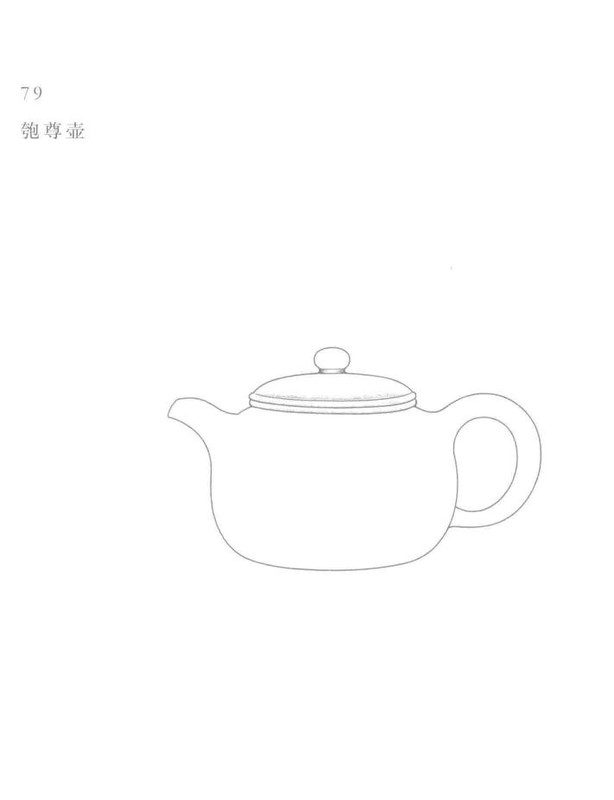
The Bao Zhuo Teapot (鲍卓壶): A Testament to Late-Career Mastery in Yixing Pottery
In the world of Yixing teapots, certain designs emerge not from ancient lineages but from the creative vision of individual masters working at the height of their powers. The Bao Zhuo teapot (鲍卓壶) represents one such creation—a classic design that gained prominence in the post-1980s era, bearing the distinctive mark of master craftsman Gu Jingtian, who created this particular example after reaching the venerable age of seventy.
Unlike teapots named for their visual characteristics or historical figures, the Bao Zhuo takes its name from a specific design tradition, though its exact origins remain somewhat mysterious in the historical record. What we do know is that this design captured the imagination of skilled potters in the latter decades of the 20th century, becoming recognized as a classic form worthy of replication and refinement by master artisans.
The Artisan Behind This Vessel
The example documented in specialized Yixing collections bears the seal of Gu Jingtian (顾景天), with an engraved inscription noting it was “made by Jingsui after age seventy” (景髓七十后作). This detail is significant in Chinese pottery tradition, where an artisan’s late-career works are often considered their most refined. By the time a master reaches seventy, they have spent decades—often five or more—perfecting their understanding of clay, form, and the subtle relationships between teapot design and tea brewing.
The additional clay seal reading “Guo Bi” (过鼻) provides further authentication, a common practice in Yixing pottery where multiple seals verify both the maker and the clay source. These markings transform the teapot from a mere functional object into a documented piece of ceramic art history.
Design Characteristics and Visual Identity
The Bao Zhuo teapot belongs to the category of classic designs, suggesting it adheres to established proportions and aesthetic principles that have proven their worth over time. While individual examples may vary slightly based on the potter’s interpretation, classic Yixing designs typically maintain certain fundamental characteristics that define their identity.
Based on its classification and period, the Bao Zhuo likely features the balanced proportions favored in post-1980s Yixing work—a period when traditional forms were being refined with increased attention to ergonomic functionality and visual harmony. The design would have been created to showcase the natural beauty of Yixing clay while providing optimal brewing performance.
The fact that this design attracted the attention of a master craftsman like Gu Jingtian in his seventies suggests it offers particular challenges or opportunities for artistic expression. Master potters of this caliber typically choose forms that allow them to demonstrate their complete command of the medium—designs where subtle variations in wall thickness, curve precision, and surface finish make the difference between a good teapot and an exceptional one.
The Clay: Foundation of Character
The clay seal “Guo Bi” indicates specific attention to the clay source, a crucial consideration in Yixing pottery. Different clay types—zisha (purple clay), zhuni (vermillion clay), duanni (yellow clay), and their various blends—each bring distinct characteristics to both the teapot’s appearance and its brewing properties.
For a classic design like the Bao Zhuo created in the post-1980s period, the potter would have selected clay that complemented the form’s aesthetic while providing the porosity and heat retention properties essential for proper tea brewing. The choice of clay affects everything from the teapot’s color and texture to how it seasons over time with repeated use.
Yixing clay’s unique mineral composition allows it to absorb tea oils gradually, developing a patina that tea enthusiasts call “tea nourishment” (养壶, yang hu). A well-made Bao Zhuo teapot in quality clay will develop an increasingly lustrous surface over years of use, with the clay’s natural colors deepening and enriching.
Historical Context: The Post-1980s Renaissance
The notation that this design gained prominence “after the 1980s” places it within a fascinating period of Yixing pottery history. Following the Cultural Revolution, traditional Chinese arts experienced a renaissance as master craftsmen returned to their work and began training new generations of artisans.
This era saw renewed interest in both preserving classical designs and creating new forms that honored traditional principles while incorporating contemporary sensibilities. The Bao Zhuo teapot emerged during this creative ferment, when potters were rediscovering historical techniques while also experimenting with refinements informed by modern understanding of ceramics and tea culture.
The fact that Gu Jingtian chose to create this design in his seventies—likely during the 1980s or 1990s based on the dating—suggests the Bao Zhuo represented something meaningful in the revival of Yixing traditions. Master potters of this generation served as living bridges between pre-revolutionary techniques and contemporary practice, and their choice of which designs to perpetuate carried significant weight.
Tea Pairing: Finding the Perfect Match
The Bao Zhuo teapot’s classification as a classic design suggests it was created with versatility in mind, though certain teas will naturally complement its characteristics better than others.
Oolong Teas: Classic Yixing designs from this period often excel with oolongs, particularly traditional varieties like Wuyi rock teas (Dahongpao, Shuixian, Rougui) or Anxi Tieguanyin. The teapot’s clay and form work together to soften any harsh edges in the tea while preserving its complex aromatic profile. The heat retention properties help maintain the optimal temperature for multiple infusions, allowing the tea to fully express its character across six to eight steepings.
Aged Pu-erh: If the Bao Zhuo was crafted from darker clay varieties, it would be particularly well-suited to aged sheng (raw) pu-erh or ripe shu pu-erh. The clay’s porosity helps mellow any remaining rough edges in the tea while the teapot’s form ensures even heat distribution, crucial for coaxing out the deep, earthy complexity of well-aged pu-erh.
Red Teas (Black Teas): Chinese red teas like Dianhong or Qimen (Keemun) can also shine in a Bao Zhuo teapot. The clay’s interaction with these teas tends to enhance their natural sweetness while providing a smooth, rounded mouthfeel.
The key principle is dedication—traditional Yixing practice recommends using each teapot for only one type of tea, allowing the clay to season specifically to that tea’s character. Over time, the Bao Zhuo will become increasingly attuned to your chosen tea, with the absorbed oils contributing subtle complexity to each brewing.
Brewing Technique: Honoring the Design
Using a Bao Zhuo teapot effectively requires understanding both general Yixing principles and the specific characteristics of this design.
Preparation and Seasoning: Before first use, rinse the teapot with boiling water several times to remove any dust from storage. Then brew several pots of your chosen tea, discarding the liquid, to begin the seasoning process. This initial seasoning helps the clay “open up” and prepares it to interact optimally with your tea.
Water Temperature: Classic designs typically handle high temperatures well, making them suitable for teas that require boiling or near-boiling water. The clay’s thermal properties help maintain stable temperatures throughout the brewing process.
Brewing Ratios: A typical approach uses approximately 5-7 grams of tea per 100ml of teapot capacity, though this varies based on tea type and personal preference. The Bao Zhuo’s form should allow leaves adequate room to expand while ensuring proper water circulation.
Infusion Timing: Start with brief infusions of 10-20 seconds for oolong or pu-erh, gradually increasing time with subsequent steepings. The teapot’s design should facilitate quick, complete pouring, preventing over-extraction.
Maintenance: After each session, empty the leaves, rinse with hot water (no soap), and allow the teapot to air dry completely with the lid off. Never store a Yixing teapot with the lid sealed, as this can trap moisture and create musty odors.
Building Patina: With regular use, your Bao Zhuo will develop its characteristic tea-nourished patina. Some enthusiasts gently wipe the exterior with a tea-soaked cloth after brewing, though this is optional. The key is consistent use with the same type of tea.
Collecting and Appreciation
A Bao Zhuo teapot bearing the seal of a master like Gu Jingtian represents both a functional brewing vessel and a piece of ceramic art history. The notation that it was created “after age seventy” adds particular value, as late-career works by recognized masters are highly prized in Chinese pottery collecting.
When evaluating a Bao Zhuo teapot, consider:
Authenticity: Verify seals and markings against known examples. The presence of multiple seals (maker’s seal, inscription, clay seal) is typical of authentic pieces from this period.
Craftsmanship: Examine the precision of joints, the smoothness of the pour, the fit of the lid, and the overall balance. Master-made pieces show exceptional attention to these details.
Clay Quality: Authentic Yixing clay has a distinctive appearance and feel. It should not be overly smooth or glossy (which might indicate added chemicals) but should show the natural texture of quality clay.
Condition: Check for cracks, chips, or repairs. While minor wear is acceptable in used pieces, structural damage significantly affects both function and value.
The Living Tradition
What makes the Bao Zhuo teapot particularly interesting is how it represents the living nature of Yixing pottery tradition. Rather than being an ancient design passed down through centuries, it emerged during a period of cultural renewal, created and refined by masters who were actively shaping contemporary tea culture while honoring historical principles.
When you use a Bao Zhuo teapot, you’re participating in a relatively recent tradition that nonetheless embodies centuries of accumulated knowledge about clay, form, and tea. The design has proven itself worthy of replication by master craftsmen, earning its place among classic forms despite its comparatively recent origins.
Conclusion: A Bridge Between Eras
The Bao Zhuo teapot stands as a testament to the vitality of Yixing pottery tradition in the late 20th century. Created during a period when master artisans were rebuilding and refining their craft after decades of disruption, designs like the Bao Zhuo represent both continuity and innovation.
For the tea enthusiast, a well-made Bao Zhuo offers the opportunity to experience how traditional craftsmanship serves the practical art of tea brewing. For the collector, it represents a documented moment in Yixing history, particularly when bearing the seal of a recognized master working at the height of their powers.
Whether you approach the Bao Zhuo teapot as a daily brewing vessel or a collectible piece of ceramic art, it rewards attention and care. Like all fine Yixing pottery, it improves with use, developing character and depth as it absorbs the essence of countless tea sessions. In this way, each Bao Zhuo becomes unique—a collaboration between the potter who shaped the clay and the tea drinker who brings it to life through years of mindful use.
