却求滤
Discover the 却求滤, a classic Yixing pottery design with unique characteristics
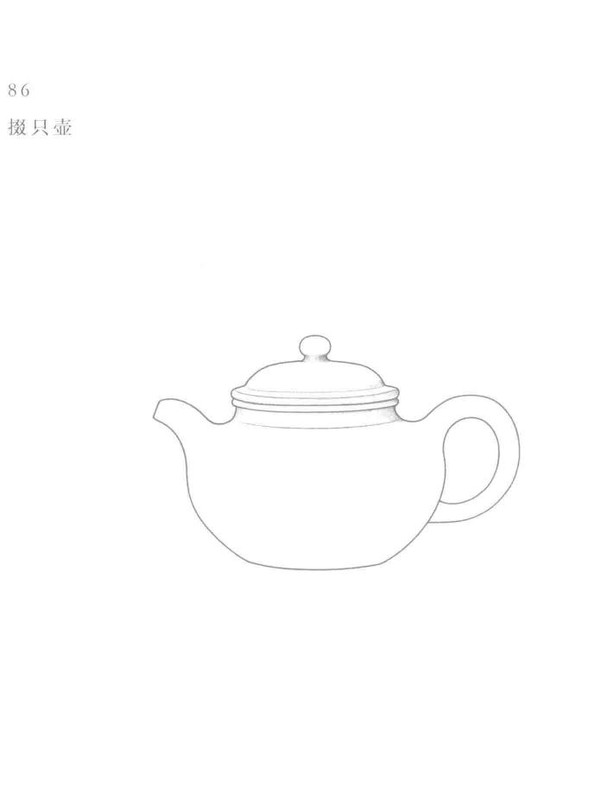
Que Qiu Lu (却求滤): The Enigmatic Filter-Seeking Teapot
In the pantheon of Yixing pottery, certain designs emerge not with fanfare but with quiet intrigue. The Que Qiu Lu—literally “Yet Seeking Filter” or “Still Seeking Refinement”—represents one of these understated masterpieces. This classic design carries a name that hints at philosophical depth: a vessel perpetually in pursuit of purity, both in the tea it brews and perhaps in the artistic vision it embodies.
Unlike the bold, immediately recognizable forms that dominate Yixing collections, the Que Qiu Lu occupies a more contemplative space in the tradition. Its very name suggests incompleteness, a striving toward perfection that may never be fully achieved—a concept deeply resonant with Chinese aesthetic philosophy where the journey matters more than the destination.
The Master’s Touch: Jing Zhou’s Legacy
The documented examples of Que Qiu Lu from the 1980s bear the unmistakable mark of master craftsman Jing Zhou (景舟). The seal impressions—“Jing Zhou” on the lid and “Jing Zhou Zhi Yi” (景舟制壹, meaning “Made by Jing Zhou, Number One”) on the base—tell us this wasn’t merely production work but pieces the artisan considered worthy of his full signature and numbering system.
This detail matters immensely. In Yixing pottery, the presence of both lid and base seals, particularly with the “Zhi Yi” designation, indicates the potter’s personal investment in the piece. Jing Zhou wasn’t simply fulfilling orders; he was creating works he deemed significant enough to claim with his complete artistic identity.
The early 1990s saw continued production, with pieces bearing the “Guo Diao” (过吊) seal on the outer wall—a marking that suggests either collaborative work or pieces made under Jing Zhou’s supervision during a period when his workshop was expanding. This transition from the 1980s solo-sealed pieces to the early 1990s collaborative works provides a fascinating glimpse into how traditional Yixing studios operated during China’s economic reforms.
Design Philosophy: What “Seeking Filter” Really Means
The name Que Qiu Lu deserves deeper examination. In classical Chinese, “que” (却) can mean “yet,” “still,” or “to retreat in order to advance.” “Qiu” (求) means “to seek” or “to pursue.” “Lu” (滤) means “to filter” or “to strain.” Together, these characters create a layered meaning: a vessel that continues seeking the perfect filtration, or perhaps one that achieves clarity through persistent refinement.
This philosophical naming wasn’t arbitrary. Yixing potters of the classical tradition often embedded meaning into their designs, creating vessels that functioned as meditation objects as much as brewing tools. The Que Qiu Lu likely features design elements specifically intended to enhance the filtering and refining of tea liquor—perhaps through spout construction, internal structure, or the relationship between body capacity and pouring dynamics.
The “filter-seeking” concept also speaks to the Yixing clay itself. Purple clay (zisha) is naturally porous, creating a filtering effect as tea brews. Over time and repeated use, the clay seasons, developing a patina that further refines the brewing process. A teapot named “Yet Seeking Filter” acknowledges this evolutionary relationship between vessel and beverage—the pot itself becomes more refined with each use, perpetually approaching but never quite reaching an ultimate state of perfection.
The Classic Form: Reading Between the Seals
While we don’t have photographic documentation of the specific Que Qiu Lu examples from the 1980s and early 1990s, the seal placements and the “classic design” designation provide crucial clues about its form.
The presence of a lid seal indicates a fitted lid with sufficient flat surface area for stamping—suggesting either a flat lid design or a domed lid with a substantial rim. The base seal placement is standard, but the outer wall seal marked “Guo Diao” tells us the body had smooth, uninterrupted surface area suitable for clear seal impression. This rules out heavily textured or deeply carved exterior decoration.
Classic Yixing designs from this era typically emphasized pure form over ornate decoration. The Que Qiu Lu likely features clean lines, balanced proportions, and a shape that allows the natural beauty of the clay to speak for itself. Given the name’s emphasis on filtration, we can reasonably infer a carefully engineered spout—possibly with an internal ball filter or a precisely angled pour channel designed to catch tea leaves while allowing smooth liquid flow.
The clay type, while not specified in the documentation, would almost certainly be one of the traditional zisha varieties. For a design emphasizing filtration and refinement, potters typically selected clays with moderate porosity—not so open that they couldn’t hold water properly, but porous enough to allow the subtle breathing that improves tea flavor over time.
Historical Context: The 1980s Yixing Renaissance
Understanding the Que Qiu Lu requires understanding its moment. The 1980s marked a crucial period for Yixing pottery. After the disruptions of the Cultural Revolution, traditional crafts were being revived and master potters were returning to classical forms. Jing Zhou’s work during this decade represented both preservation and innovation—honoring historical designs while bringing contemporary sensibility to their execution.
This was also when Yixing pottery began gaining serious international attention. Tea culture was experiencing a renaissance in Taiwan, Hong Kong, and among diaspora Chinese communities, creating new markets for high-quality teaware. Master potters like Jing Zhou found themselves balancing traditional techniques with the demands of an expanding, increasingly sophisticated collector base.
The transition into the early 1990s, when pieces bearing the “Guo Diao” seal appeared, coincided with China’s accelerating economic reforms. Workshops expanded, collaborative production increased, and the market for Yixing pottery grew exponentially. The Que Qiu Lu design’s continuation into this period suggests it had found an appreciative audience—collectors who valued its understated elegance and philosophical depth.
Tea Pairing: Finding the Right Match
The Que Qiu Lu’s emphasis on filtration and refinement makes it particularly well-suited for teas that benefit from clarity and clean flavor profiles. Based on the design philosophy and the typical characteristics of classic 1980s Yixing forms, here are the ideal pairings:
Oolong Teas: This is likely the Que Qiu Lu’s sweet spot. Medium-roasted oolongs—particularly traditional Wuyi rock teas like Shui Xian or Rou Gui—would showcase the pot’s filtering capabilities. These teas produce complex liquors that benefit from a vessel that can clarify without stripping away nuance. The pot’s clay would gradually season to enhance the mineral notes and floral aromatics characteristic of quality oolongs.
Aged White Teas: White teas that have been aged for several years develop subtle complexity that demands a refined brewing vessel. The Que Qiu Lu’s filtering design would catch the larger leaf fragments while allowing the delicate, sweet liquor to pour cleanly. The clay’s gentle breathing would complement aged white tea’s soft, mellow character without overwhelming it.
Raw Puer (Sheng Cha): For raw puer that’s been aged 10-20 years, the Que Qiu Lu offers an interesting option. These teas have moved past their harsh youth but haven’t yet reached the deep mellowness of ancient puer. They need a pot that can filter out any remaining astringency while highlighting the developing complexity—exactly what a well-designed “filter-seeking” vessel should accomplish.
Red Teas (Black Teas): Traditional Chinese red teas like Zheng Shan Xiao Zhong or Dian Hong would work beautifully in this pot. The filtering design would catch the smaller broken leaves common in these teas while producing a clear, bright liquor that showcases their natural sweetness and malty depth.
Brewing Technique: Working with the Design
Using a Que Qiu Lu effectively requires understanding its filtering philosophy:
Seasoning the Pot: Before first use, the pot should be properly seasoned. Boil it gently in clean water, then brew several pots of the tea type you intend to dedicate it to. The clay will begin absorbing the tea’s essential oils, starting its journey toward that perfect filtration the name promises. This isn’t a quick process—expect several months of regular use before the pot truly comes into its own.
Water Temperature: Classic Yixing forms from this era typically have moderate wall thickness, meaning they retain heat well without being so thick they’re sluggish to respond. For oolongs and aged whites, use water just off the boil (95-98°C). For raw puer, full boiling water is appropriate. The pot’s thermal properties will help maintain stable brewing temperature.
Leaf Quantity: The filtering design suggests you can be slightly more generous with leaf quantity than you might in other pots. The effective filtration will prevent over-extraction from smaller particles while allowing the larger leaves to unfurl properly. Start with your standard ratio and adjust upward if needed.
Pouring Technique: Pay attention to how the pot pours. A well-designed filter system should produce a clean, controlled stream without dribbling. If the pour seems slow or clogged, you may be using too much leaf or the leaves may be too broken for this particular pot’s filter design. The “seeking filter” name suggests the pot rewards experimentation—try different leaf grades and quantities to find the sweet spot.
Cleaning and Maintenance: After each session, rinse the pot thoroughly with hot water but avoid soap or detergents. The developing patina is part of the pot’s evolution toward perfect filtration. Allow it to air dry completely before storing. Periodically, you might want to give it a gentle boil in clean water to refresh it, but don’t overdo this—the seasoning is valuable.
The Collector’s Perspective: Evaluating Que Qiu Lu Examples
For those seeking to acquire a Que Qiu Lu, particularly examples from the documented 1980s and early 1990s period, several factors merit consideration:
Seal Clarity: The Jing Zhou seals should be crisp and clear. Blurred or poorly impressed seals might indicate reproductions or pieces made with worn seal stamps. The “Jing Zhou Zhi Yi” base seal is particularly important—this numbering system adds provenance value.
Clay Quality: Authentic pieces from this period should show the characteristic texture of quality zisha clay—neither too smooth (suggesting added chemicals) nor too coarse (indicating poor clay preparation). The clay should have a subtle sheen when seasoned, not a glossy shine.
Proportional Harmony: Classic designs emphasize balance. The spout, handle, and lid should relate to each other and to the body in proportions that feel natural and inevitable. This is subjective but important—a well-made Que Qiu Lu should look “right” even if you can’t immediately articulate why.
Functional Excellence: The pot should pour cleanly, the lid should fit securely without being too tight, and the handle should balance comfortably in hand. These functional aspects were paramount to potters like Jing Zhou, who understood that a teapot’s beauty means nothing if it doesn’t brew tea well.
Living with the Design: The Long View
What makes the Que Qiu Lu particularly appealing for serious tea practitioners is its name’s implicit promise: this is a pot that grows with you. It’s not a flashy showpiece that makes its statement immediately. Instead, it’s a patient companion that reveals its qualities gradually, through seasons of use and countless brewing sessions.
The “yet seeking filter” concept means you’re never done exploring this pot’s potential. Different teas will reveal different aspects of its character. As the clay seasons and develops its patina, the brewing characteristics will subtly shift. This evolutionary quality makes the Que Qiu Lu ideal for tea drinkers who view their practice as a long-term cultivation rather than a quick hobby.
In an era when much of tea culture has become about instant gratification and social media aesthetics, the Que Qiu Lu offers something different: a design that rewards patience, attention, and the willingness to develop a relationship with your tools. It’s a pot that asks you to slow down, to notice subtle changes, to appreciate refinement over flash.
Conclusion: The Pursuit Continues
The Que Qiu Lu stands as a testament to the depth of Yixing pottery tradition. In a design whose very name acknowledges incompleteness, we find a profound artistic statement: perfection isn’t a destination but a direction, and the seeking itself has value.
For contemporary tea drinkers, this classic design offers both practical excellence and philosophical depth. It’s a pot that will brew your tea beautifully while reminding you that the best tools are those that grow and change with use, that become more themselves through the patient accumulation of experience.
Whether you’re fortunate enough to own an authentic 1980s example bearing Jing Zhou’s seals or a later piece inspired by this classic design, the Que Qiu Lu invites you into a particular way of engaging with tea: thoughtful, patient, and always seeking that next level of refinement. The filter it seeks isn’t just for tea leaves—it’s for experience itself, straining out the unnecessary and leaving only what matters: the quiet pleasure of a well-brewed cup and the satisfaction of a practice pursued with care.
